


- Afhalen na 1 uur in een winkel met voorraad
- Gratis thuislevering in België vanaf € 30
- Ruim aanbod met 7 miljoen producten
- Afhalen na 1 uur in een winkel met voorraad
- Gratis thuislevering in België vanaf € 30
- Ruim aanbod met 7 miljoen producten





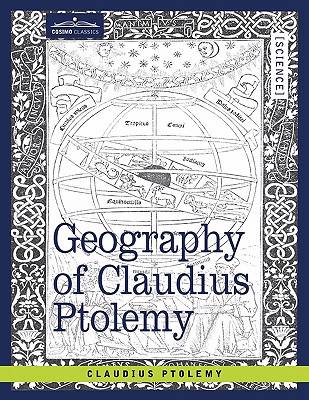
Omschrijving
Geography of Claudius Ptolemy, originally titled Geographia and written in the second century, is a depiction of the geography of the Roman Empire at the time. Though inaccurate due to Ptolemy's varying methods of measurement and use of outdated data, Geography of Claudius Ptolemy is nonetheless an excellent example of ancient geographical study and scientific method. This edition contains more than 40 maps and illustrations, reproduced based on Ptolemy's original manuscript. It remains a fascinating read for students of scientific history and Greek influence. CLAUDIUS PTOLEMY (A.D. 90- A.D. 168) was a poet, mathematician, astronomer, astrologer, and geographer who wrote in Greek, though he was a Roman citizen. He is most well-known for three scientific treatises he wrote on astronomy, astrology, and geography, respectively titled Almagest, Apotelesmatika, and Geographia. His work influenced early Islamic and European studies, which in turn influenced much of the modern world. Ptolemy died in Alexandria as a member of Greek society.
Specificaties
Betrokkenen
- Auteur(s):
- Vertaler(s):
- Uitgeverij:
Inhoud
- Aantal bladzijden:
- 286
- Taal:
- Engels
Eigenschappen
- Productcode (EAN):
- 9781605204383
- Verschijningsdatum:
- 1/03/2011
- Uitvoering:
- Paperback
- Formaat:
- Trade paperback (VS)
- Afmetingen:
- 216 mm x 279 mm
- Gewicht:
- 666 g


Alleen bij Standaard Boekhandel
+ 54 punten op je klantenkaart van Standaard Boekhandel
AANGERADEN


Beoordelingen
We publiceren alleen reviews die voldoen aan de voorwaarden voor reviews. Bekijk onze voorwaarden voor reviews.