


- Afhalen na 1 uur in een winkel met voorraad
- Gratis thuislevering in België vanaf € 30
- Ruim aanbod met 7 miljoen producten
- Afhalen na 1 uur in een winkel met voorraad
- Gratis thuislevering in België vanaf € 30
- Ruim aanbod met 7 miljoen producten





€ 343,45
+ 686 punten
Omschrijving
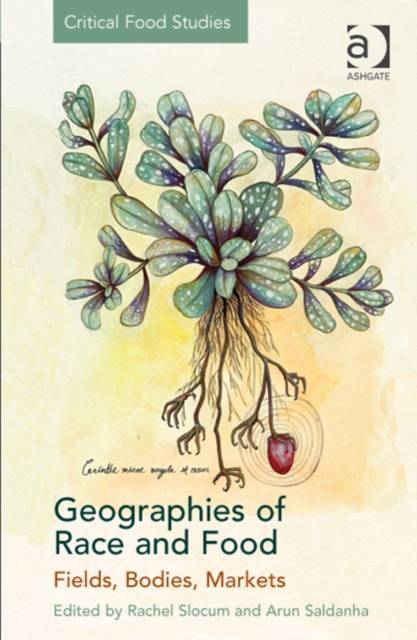
This collection argues there is an unacknowledged racial dimension to the production and consumption of food under globalization. Building on case studies from across the world, it advances the conceptualization of race by emphasizing embodiment, circulation and materiality, while adding to food advocacy an antiracist perspective it often lacks. Within the three socio-physical spatialities of food - fields, bodies and markets - the collection reveals how race and food are intricately linked. An international and multidisciplinary team of scholars complements each other to shed light on how human groups become entrenched in myriad hierarchies through food.
Specificaties
Betrokkenen
- Uitgeverij:
Inhoud
- Aantal bladzijden:
- 360
- Taal:
- Engels
- Reeks:
Eigenschappen
- Productcode (EAN):
- 9781409469254
- Verschijningsdatum:
- 12/09/2013
- Uitvoering:
- Hardcover
- Formaat:
- Genaaid
- Afmetingen:
- 156 mm x 234 mm
- Gewicht:
- 680 g

Alleen bij Standaard Boekhandel
+ 686 punten op je klantenkaart van Standaard Boekhandel
Cadeau

AANGERADEN


Beoordelingen
We publiceren alleen reviews die voldoen aan de voorwaarden voor reviews. Bekijk onze voorwaarden voor reviews.