


- Afhalen na 1 uur in een winkel met voorraad
- Gratis thuislevering in België vanaf € 30
- Ruim aanbod met 7 miljoen producten
- Afhalen na 1 uur in een winkel met voorraad
- Gratis thuislevering in België vanaf € 30
- Ruim aanbod met 7 miljoen producten





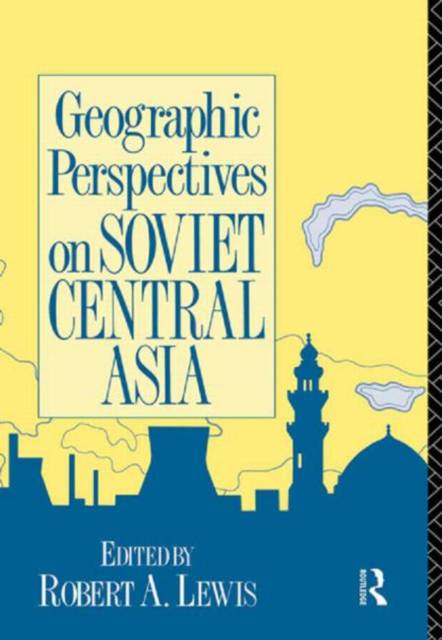
Geographic Perspectives on Soviet Central Asia
€ 526,95
+ 1053 punten
Omschrijving
In a unique survey, based on new census data, Geographic Perspectives on Soviet Central Asia highlights the region's geographic, economic and ecological problems since 1945. Painting a grim picture, this book investigates how the combination of rapid population growth and declining per capita investment is causing economic conditions to slide in rural areas and encouraging an ecological catastrophe. The authors discuss the effects of low rural out-migration, and show that at current growth rates the rural working-age population will double with each generation. Unprecedented in a developed country, this is causing the region to become more rather than less rural. Soviet Central Asia is an area of low productivity, and the book considers the lack of support from Soviet central government to the region. Wishing to maximise their return to capital and labour, the government is concentrating its investment in the European West and directing insufficient funds for a growing workforce in Central Asia. Soviet Central Asia also faces grave ecological problems; the declining level of the Aral Sea, extensive soil salinization and water pollution, all largely due to past attempts at irrigation. The authors consider the effect of these disasters on the area, and look to future possibilities in this very important region of the world.
Specificaties
Betrokkenen
- Uitgeverij:
Inhoud
- Aantal bladzijden:
- 344
- Taal:
- Engels
- Reeks:
Eigenschappen
- Productcode (EAN):
- 9780415075923
- Verschijningsdatum:
- 2/04/1992
- Uitvoering:
- Hardcover
- Formaat:
- Genaaid
- Afmetingen:
- 167 mm x 238 mm
- Gewicht:
- 721 g

Alleen bij Standaard Boekhandel
+ 1053 punten op je klantenkaart van Standaard Boekhandel
Cadeau

AANGERADEN


Beoordelingen
We publiceren alleen reviews die voldoen aan de voorwaarden voor reviews. Bekijk onze voorwaarden voor reviews.