


- Afhalen na 1 uur in een winkel met voorraad
- Gratis thuislevering in België vanaf € 30
- Ruim aanbod met 7 miljoen producten
- Afhalen na 1 uur in een winkel met voorraad
- Gratis thuislevering in België vanaf € 30
- Ruim aanbod met 7 miljoen producten





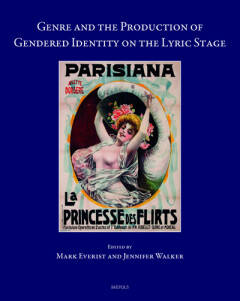
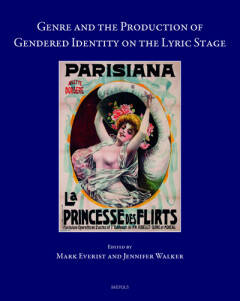
Genre and the Production of Gendered Identity on the Lyric Stage
€ 137,80
+ 275 punten
Omschrijving
The lyric stage is a cultural site at which constructions of gender have been developed, mitigated and, at times, hindered by musical performance. From the castrati of the seventeenth century to Mozart and Massenet's cross-dressed Cherubinos, musical works created for lyric stages have often complicated traditional and normative readings of the gender and sexual identities of their characters, allowing composers, performers, and audiences to move beyond simple biological understandings of gender and sex. The erotically charged sights and sounds of such productions called into question accepted generic conventions, thus revealing the very instability of normative identity and musical convention that European societies presumed integral to their social codes and generic constructs. The fourteen case studies in this volume explore these topics through various geographical, historical, and musical perspectives: from Italian opera seria to Parisian music-hall ballet and Greek operetta during the interwar years, these essays shed new light on the complex and complementary ways in which gender and the production of gendered identities were invariably contingent upon - but nevertheless moved beyond - the expectations of genre on the lyric stage.
Specificaties
Betrokkenen
- Uitgeverij:
Inhoud
- Aantal bladzijden:
- 317
- Taal:
- Engels
- Reeks:
- Reeksnummer:
- nr. 55
Eigenschappen
- Productcode (EAN):
- 9782503615585
- Verschijningsdatum:
- 20/03/2025
- Uitvoering:
- Hardcover
- Formaat:
- Genaaid
- Afmetingen:
- 210 mm x 270 mm
- Gewicht:
- 508 g

Alleen bij Standaard Boekhandel
+ 275 punten op je klantenkaart van Standaard Boekhandel
Cadeau

AANGERADEN


Beoordelingen
We publiceren alleen reviews die voldoen aan de voorwaarden voor reviews. Bekijk onze voorwaarden voor reviews.