


- Afhalen na 1 uur in een winkel met voorraad
- Gratis thuislevering in België vanaf € 30
- Ruim aanbod met 7 miljoen producten
- Afhalen na 1 uur in een winkel met voorraad
- Gratis thuislevering in België vanaf € 30
- Ruim aanbod met 7 miljoen producten





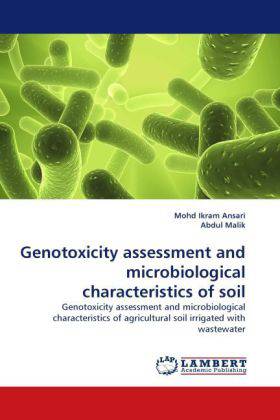
Genotoxicity assessment and microbiological characteristics of soil
Genotoxicity assessment and microbiological characteristics of agricultural soil irrigated with wastewater
Mohd Ikram Ansari, Abdul Malik
Paperback | Engels
€ 67,45
+ 134 punten
Omschrijving
Wastewater is commonly utilized for agricultural lands in India and countries in arid and semi-arid areas; or disposed into fresh water streams, which again can be used for agricultural purposes. Although this treatment generally increases crop production, however, it results in the accumulation of toxic substances in soil and in the crop as sewage is usually contaminated with pollutants such as heavy metals and polychlorinated substances from domestic and industrial wastes that enter into the sewer system. Industrial and agricultural activities have led to a substantial release of toxic heavy metals in the environment, which can constitute a major hazard for the ecosystem and human health. Antibiotic resistance is a public health concern of great urgency due to growing inefficacy of antimicrobial agents to treat infectious diseases. This is mainly due to the propagation of antibiotic resistance genes among bacteria, which is exacerbated by the overuse of antimicrobials in humans and the intensive use of antibiotics in animal agriculture.
Specificaties
Betrokkenen
- Auteur(s):
- Uitgeverij:
Inhoud
- Aantal bladzijden:
- 180
- Taal:
- Engels
Eigenschappen
- Productcode (EAN):
- 9783838371696
- Verschijningsdatum:
- 14/06/2010
- Uitvoering:
- Paperback
- Afmetingen:
- 152 mm x 229 mm
- Gewicht:
- 272 g


Alleen bij Standaard Boekhandel
+ 134 punten op je klantenkaart van Standaard Boekhandel
Cadeau

AANGERADEN


Beoordelingen
We publiceren alleen reviews die voldoen aan de voorwaarden voor reviews. Bekijk onze voorwaarden voor reviews.