


- Afhalen na 1 uur in een winkel met voorraad
- Gratis thuislevering in België vanaf € 30
- Ruim aanbod met 7 miljoen producten
- Afhalen na 1 uur in een winkel met voorraad
- Gratis thuislevering in België vanaf € 30
- Ruim aanbod met 7 miljoen producten





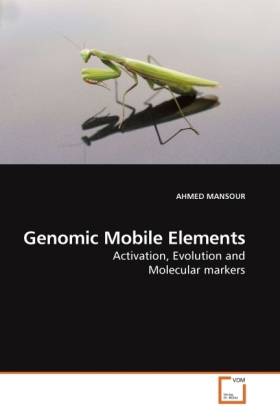
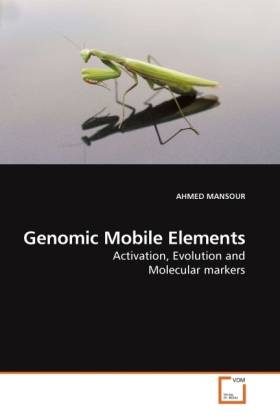
Genomic Mobile Elements
Activation, Evolution and Molecular markers
Ahmed Mansour
Paperback | Engels
€ 116,45
+ 232 punten
Eenvoudig bestellen
Veilig betalen


Gratis thuislevering vanaf € 30 (via bpost)
Gratis levering in je Standaard Boekhandel
Omschrijving
Large-scale sequencing of different genomes has produced an unprecedented wealth of information about the origin, diversity and genomic impact of repetitive sequences, what were once thought to be junk DNA . Repetitive sequences in complex genomes contain large portions of transposable elements (TEs). The movement and accumulation of TEs represent a major force shaping the genes and genomes of almost all organisms. Through evolution, individual elements from repetitive families acquired diverse biological roles. Recently, autonomous TEs, generally considered as selfish, have been found to encode proteins that are of interest for the host cell and have been recruited to add new cellular functions. This book will focus on recent research studies on transposons which mainly fall in three categories: activation, evolution and molecular markers.
Specificaties
Betrokkenen
- Auteur(s):
- Uitgeverij:
Inhoud
- Aantal bladzijden:
- 208
- Taal:
- Engels
Eigenschappen
- Productcode (EAN):
- 9783639154603
- Verschijningsdatum:
- 14/10/2009
- Uitvoering:
- Paperback
- Afmetingen:
- 150 mm x 12 mm
- Gewicht:
- 294 g


Alleen bij Standaard Boekhandel
+ 232 punten op je klantenkaart van Standaard Boekhandel
CADEAU

AANGERADEN


Beoordelingen
We publiceren alleen reviews die voldoen aan de voorwaarden voor reviews. Bekijk onze voorwaarden voor reviews.