


- Afhalen na 1 uur in een winkel met voorraad
- Gratis thuislevering in België vanaf € 30
- Ruim aanbod met 7 miljoen producten
- Afhalen na 1 uur in een winkel met voorraad
- Gratis thuislevering in België vanaf € 30
- Ruim aanbod met 7 miljoen producten





€ 207,95
+ 415 punten
Omschrijving
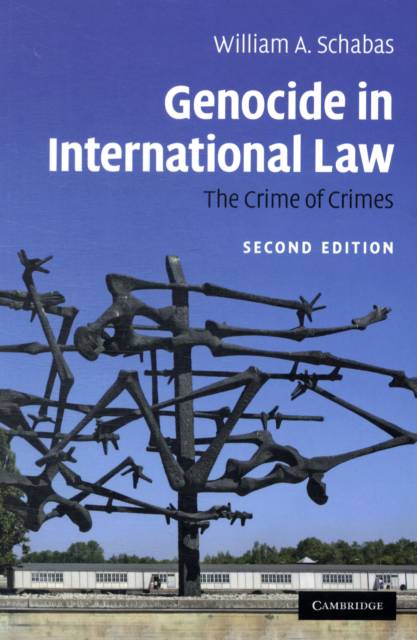
The 1948 Genocide Convention has become a vital legal tool in the international campaign against impunity. Its provisions, including its enigmatic definition of the crime and its pledge both to punish and prevent the 'crime of crimes', have now been interpreted in important judgments by the International Court of Justice, the ad hoc Tribunals for the former Yugoslavia and Rwanda and various domestic courts. The second edition of this definitive work focuses on the judicial interpretation of the Convention, relying on debates in the International Law Commission, political statements in bodies like the General Assembly of the United Nations and the growing body of case law. Attention is given to the concept of protected groups, to problems of criminal prosecution and to issues of international judicial cooperation, such as extradition. The duty to prevent genocide and its relationship with the emerging doctrine of the 'responsibility to protect' are also explored.
Specificaties
Betrokkenen
- Auteur(s):
- Uitgeverij:
Inhoud
- Aantal bladzijden:
- 760
- Taal:
- Engels
Eigenschappen
- Productcode (EAN):
- 9780521719001
- Verschijningsdatum:
- 19/02/2009
- Uitvoering:
- Paperback
- Formaat:
- Trade paperback (VS)
- Afmetingen:
- 150 mm x 224 mm
- Gewicht:
- 1138 g


Alleen bij Standaard Boekhandel
+ 415 punten op je klantenkaart van Standaard Boekhandel
CADEAU

AANGERADEN


Beoordelingen
We publiceren alleen reviews die voldoen aan de voorwaarden voor reviews. Bekijk onze voorwaarden voor reviews.