


- Afhalen na 1 uur in een winkel met voorraad
- Gratis thuislevering in België vanaf € 30
- Ruim aanbod met 7 miljoen producten
- Afhalen na 1 uur in een winkel met voorraad
- Gratis thuislevering in België vanaf € 30
- Ruim aanbod met 7 miljoen producten





€ 305,45
+ 610 punten
Uitvoering
Omschrijving
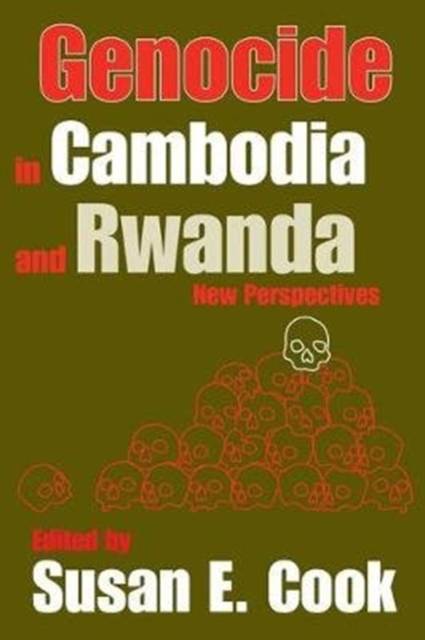
This volume deals with aspects of genocide in Rwandaand Cambodia that have been largely unexplored to date, including the impact of regional politics and the role played by social institutions in perpetrating genocide. Although the "story" of the Cambodian genocide of 1975-1979 and that of the Rwandan genocide of 1994 have been written about in detail, most have focused on how the genocides took place, what the ideas and motives were that led extremist factions to attempt to kill whole sections of their country's population, and who their victims were. This volume builds on our understanding of genocide in Cambodia and Rwanda by bringing new issues, sources, and approaches into focus.The chapters in this book are grouped so that a single theme^s explored in both the Cambodian and Rwandan contexts; their ordering is designed to facilitate comparative analysis. The first three chapters emphasize the importance of political discourse in the genocidal process. Chapters 4 and 5 examine social institutions and explore their role in the genocidal process. Chapters 6 and 7 describe the military trajectories of the genocidal regimes in Cambodia and Rwanda after their overthrow, showing that genocide and genocidal intents as a political program do not cease the moment the massacres subside. The final chapters deal with private and public efforts to memorialize the genocides in the months and years following the killing.Drawing on ten years of genocide studies at Yale, this excellent anthology assembles high-quality new research from a variety of continents, disciplines, and languages. It will be an important addition to ongoing research on genocide.
Specificaties
Betrokkenen
- Auteur(s):
- Uitgeverij:
Inhoud
- Aantal bladzijden:
- 318
- Taal:
- Engels
Eigenschappen
- Productcode (EAN):
- 9781138524248
- Verschijningsdatum:
- 6/10/2017
- Uitvoering:
- Hardcover
- Formaat:
- Genaaid
- Afmetingen:
- 152 mm x 229 mm
- Gewicht:
- 594 g


Alleen bij Standaard Boekhandel
+ 610 punten op je klantenkaart van Standaard Boekhandel
Cadeau

AANGERADEN


Beoordelingen
We publiceren alleen reviews die voldoen aan de voorwaarden voor reviews. Bekijk onze voorwaarden voor reviews.