


- Afhalen na 1 uur in een winkel met voorraad
- Gratis thuislevering in België vanaf € 30
- Ruim aanbod met 7 miljoen producten
- Afhalen na 1 uur in een winkel met voorraad
- Gratis thuislevering in België vanaf € 30
- Ruim aanbod met 7 miljoen producten





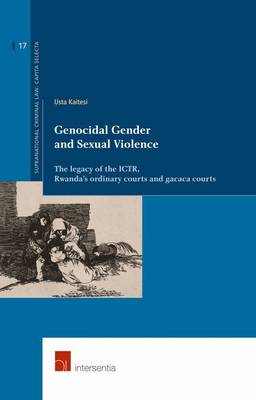
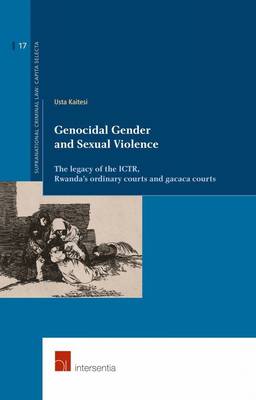
Genocidal Gender and Sexual Violence
The Legacy of the Ictr, Rwanda's Ordinary Courts and Gacaca Courts Volume 17
Usta Kaitesi
€ 66,00
+ 132 punten
Omschrijving
This book tackles an important and highly topical issue: examining how the experiences of victims of genocidal gender and sexual violence have been addressed on a theoretical and practical level. The book investigates the contribution of feminist legal theories in naming and addressing gender and sexual violence. It questions the legacy of the International Criminal Tribunal for Rwanda, as well as Rwanda's domestic judicial initiatives from the perspective of the complex realities of victims' experiences. The central focus is the question as to whether the genocidal character of gender and sexual violence in the case of Rwanda has been theorized and judged as such. Author Usta Kaitesi's training for Inyangamugayo - gacaca judges - contributes to a wider understanding of the complexity of victims' experiences. This complex reality is further elaborated on and explored practically through an analysis of the legacy of post-genocide judicial mechanisms for Rwanda in naming and condemning genocidal gender and sexual violence. (Series: Supranational Criminal Law: Capita Selecta - Vol. 17)
Specificaties
Betrokkenen
- Auteur(s):
- Uitgeverij:
Inhoud
- Aantal bladzijden:
- 271
- Taal:
- Engels
- Reeks:
Eigenschappen
- Productcode (EAN):
- 9781780682105
- Verschijningsdatum:
- 18/12/2013
- Uitvoering:
- Paperback
- Formaat:
- Trade paperback (VS)
- Afmetingen:
- 160 mm x 240 mm
- Gewicht:
- 462 g


Alleen bij Standaard Boekhandel
+ 132 punten op je klantenkaart van Standaard Boekhandel
Cadeau

AANGERADEN


Beoordelingen
We publiceren alleen reviews die voldoen aan de voorwaarden voor reviews. Bekijk onze voorwaarden voor reviews.