


- Afhalen na 1 uur in een winkel met voorraad
- Gratis thuislevering in België vanaf € 30
- Ruim aanbod met 7 miljoen producten
- Afhalen na 1 uur in een winkel met voorraad
- Gratis thuislevering in België vanaf € 30
- Ruim aanbod met 7 miljoen producten





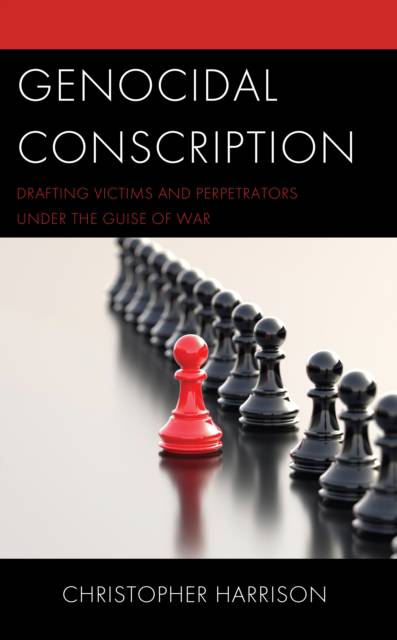
Genocidal Conscription
Drafting Victims and Perpetrators Under the Guise of War
Christopher Harrison
Hardcover | Engels
€ 169,95
+ 339 punten
Omschrijving
Genocidal Conscription examines how some states have employed mandatory military service as a tool to capture and kill the victims of genocide by recruiting the perpetrators from other minorities, and shifting blame away from the state. The book highlights several unique intersections that connect military history, Holocaust studies, and genocide. The study details an original framework that encompasses intentions and outcomes of wartime casualties, Clausewitzian wastage, and genocidal massacres. Christopher Harrison traces and compares how two genocidal regimes at war - the Ottoman Empire during World War One and Axis-era Hungary in World War Two - implemented certain policies of military service to capture and destroy their targets amidst the carnage of modern warfare. Following this historical comparative study, the author then summarizes relevant implications and ongoing concerns. The conclusion includes insights into conscription by contemporary authoritarian regimes. By examining these histories and crises, the book suggests that several states are at risk of carrying out genocidal conscription today. While difficult and unlikely, due to political disincentives, the implication of this analysis considers reforms which may prevent states from repeating similar policies and actions again.
Specificaties
Betrokkenen
- Auteur(s):
- Uitgeverij:
Inhoud
- Aantal bladzijden:
- 204
- Taal:
- Engels
Eigenschappen
- Productcode (EAN):
- 9781666925678
- Verschijningsdatum:
- 21/06/2023
- Uitvoering:
- Hardcover
- Formaat:
- Genaaid
- Afmetingen:
- 152 mm x 229 mm
- Gewicht:
- 471 g



Alleen bij Standaard Boekhandel
+ 339 punten op je klantenkaart van Standaard Boekhandel
Cadeau

AANGERADEN


Beoordelingen
We publiceren alleen reviews die voldoen aan de voorwaarden voor reviews. Bekijk onze voorwaarden voor reviews.