


- Afhalen na 1 uur in een winkel met voorraad
- Gratis thuislevering in België vanaf € 30
- Ruim aanbod met 7 miljoen producten
- Afhalen na 1 uur in een winkel met voorraad
- Gratis thuislevering in België vanaf € 30
- Ruim aanbod met 7 miljoen producten





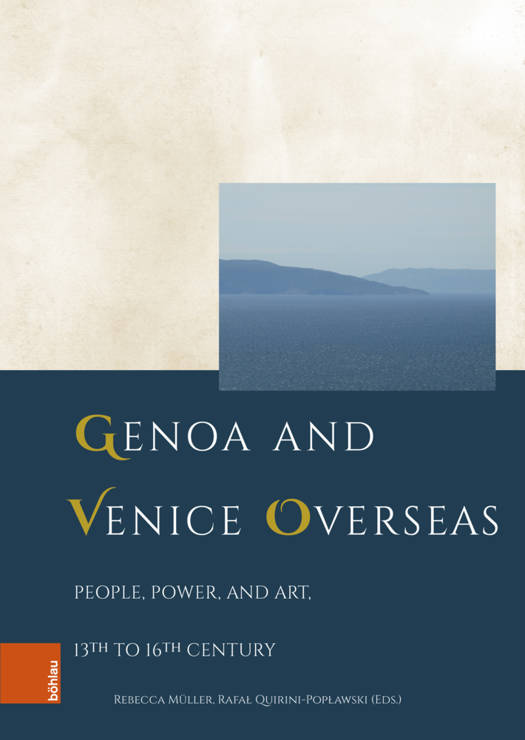
Genoa and Venice Overseas
People, Power, and Art, 13th to 16th Century
€ 73,95
+ 147 punten
Omschrijving
Genoa and Venice, as leading maritime powers in the Mediterranean and the Black Sea, founded numerous trading posts and "colonies". These foundations fostered intense transfer processes, widespread mobility-far beyond elite circles-and a constant exchange of raw materials, goods, and objects. The resulting entanglement of spaces, practices, and visual cultures poses particular challenges for research.This volume brings together contributions from two conferences held in Heidelberg and Krakow. The authors-historians and art historians from different fields-explore the premodern Mediterranean and Black Sea regions, focusing not only on the "mother cities" and the comparison between them, but above all on regions often studied separately due to disciplinary divisions, political circumstances, and the linguistic diversity of the source material and literature: Eastern European realms, Byzantium, the Aegean, Cyprus, the Golden Horde and the Crimean Khanate, and the Iberian Peninsula.
Specificaties
Betrokkenen
- Uitgeverij:
Inhoud
- Aantal bladzijden:
- 416
- Taal:
- Engels
- Reeks:
- Reeksnummer:
- nr. 13
Eigenschappen
- Productcode (EAN):
- 9783412534615
- Verschijningsdatum:
- 9/02/2026
- Uitvoering:
- Hardcover
- Formaat:
- Genaaid
- Afmetingen:
- 169 mm x 240 mm
- Gewicht:
- 503 g

Alleen bij Standaard Boekhandel
+ 147 punten op je klantenkaart van Standaard Boekhandel
Cadeau

AANGERADEN


Beoordelingen
We publiceren alleen reviews die voldoen aan de voorwaarden voor reviews. Bekijk onze voorwaarden voor reviews.