


- Afhalen na 1 uur in een winkel met voorraad
- Gratis thuislevering in België vanaf € 30
- Ruim aanbod met 7 miljoen producten
- Afhalen na 1 uur in een winkel met voorraad
- Gratis thuislevering in België vanaf € 30
- Ruim aanbod met 7 miljoen producten





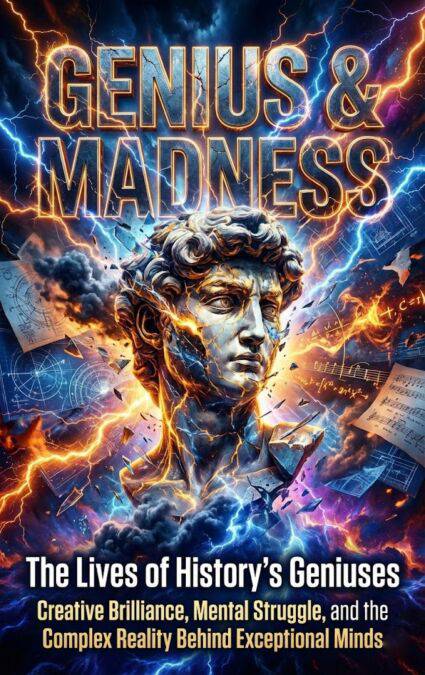
Genius & Madness: The Lives of History's Geniuses E-BOOK
Creative Brilliance, Mental Struggle, and the Complex Reality Behind Exceptional Minds
Sarah Whitfield
E-book | Engels
€ 8,99
+ 8 punten
Omschrijving
Exceptional intellectual and creative achievement has often coexisted with psychological distress, but the relationship between genius and mental illness is more complex than romantic narratives suggest. This comprehensive examination explores how historical figures of extraordinary accomplishment—scientists, artists, composers, writers, and mathematicians—navigated mental health challenges while producing transformative work, analyzing both the biographical evidence and the cultural myths surrounding creative genius.
Drawing on personal correspondence, medical records, biographical accounts, and psychological research, this book reveals how individuals managed depression, anxiety, bipolar disorder, and other conditions within their historical contexts. It explores how mental distress sometimes influenced creative work, how social isolation enabled or hindered productivity, and how contemporary understanding of mental illness shaped how genius was perceived and treated. The narrative examines support systems that enabled continued work, the role of institutions in helping or harming exceptional individuals, and how economic security affected outcomes.
Each profile analyzes the specific nature of their achievements, the documented evidence of mental health struggles, and how later generations romanticized or stigmatized their conditions. It addresses the myth that suffering produces genius, the reality that many struggled despite their talents rather than because of them, and how better mental health support might have extended productive lives. This work provides rigorous analysis grounded in historical evidence rather than mythology about tortured genius.
Drawing on personal correspondence, medical records, biographical accounts, and psychological research, this book reveals how individuals managed depression, anxiety, bipolar disorder, and other conditions within their historical contexts. It explores how mental distress sometimes influenced creative work, how social isolation enabled or hindered productivity, and how contemporary understanding of mental illness shaped how genius was perceived and treated. The narrative examines support systems that enabled continued work, the role of institutions in helping or harming exceptional individuals, and how economic security affected outcomes.
Each profile analyzes the specific nature of their achievements, the documented evidence of mental health struggles, and how later generations romanticized or stigmatized their conditions. It addresses the myth that suffering produces genius, the reality that many struggled despite their talents rather than because of them, and how better mental health support might have extended productive lives. This work provides rigorous analysis grounded in historical evidence rather than mythology about tortured genius.
Specificaties
Betrokkenen
- Auteur(s):
- Uitgeverij:
Inhoud
- Aantal bladzijden:
- 196
- Taal:
- Engels
Eigenschappen
- Productcode (EAN):
- 9783565249756
- Verschijningsdatum:
- 14/02/2026
- Uitvoering:
- E-book
- Formaat:
- ePub



Alleen bij Standaard Boekhandel
+ 8 punten op je klantenkaart van Standaard Boekhandel
AANGERADEN


Beoordelingen
We publiceren alleen reviews die voldoen aan de voorwaarden voor reviews. Bekijk onze voorwaarden voor reviews.