


- Afhalen na 1 uur in een winkel met voorraad
- Gratis thuislevering in België vanaf € 30
- Ruim aanbod met 7 miljoen producten
- Afhalen na 1 uur in een winkel met voorraad
- Gratis thuislevering in België vanaf € 30
- Ruim aanbod met 7 miljoen producten





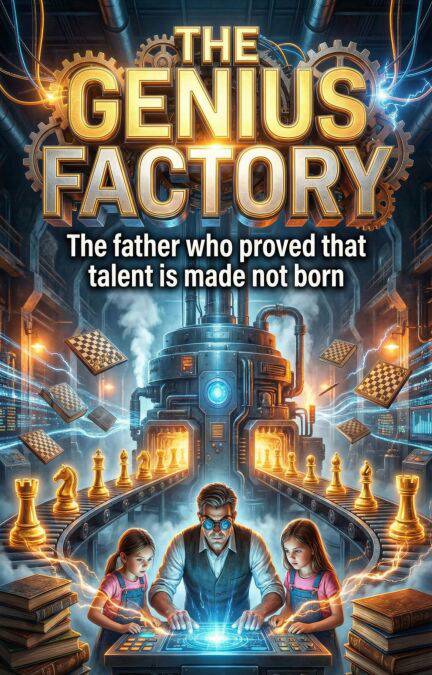
Genius Factory E-BOOK
The father who proved that talent is made not born
David Clarke
E-book | Engels
€ 4,99
+ 4 punten
Omschrijving
"The Genius Factory – The father who proved that talent is made not born" tells the story of Laszlo Polgar, a Hungarian educational psychologist. Before he even had children, he wrote a thesis claiming that "geniuses are made, not born." To prove it, he decided to raise his future children to be chess grandmasters, despite not being a great player himself.
Education writer David Clarke chronicles the experiment. Laszlo and his wife Klara homeschooled their three daughters (Susan, Sofia, and Judit) with intense focus on chess from a very young age. The result? All three became world-class players, with Judit becoming the greatest female chess player in history.
"The Genius Factory" challenges our assumptions about innate talent. It explores the concept of "deliberate practice" and early specialization. It asks difficult questions about the ethics of such an experiment, but ultimately provides a compelling case that with the right environment, human potential is nearly limitless.
Education writer David Clarke chronicles the experiment. Laszlo and his wife Klara homeschooled their three daughters (Susan, Sofia, and Judit) with intense focus on chess from a very young age. The result? All three became world-class players, with Judit becoming the greatest female chess player in history.
"The Genius Factory" challenges our assumptions about innate talent. It explores the concept of "deliberate practice" and early specialization. It asks difficult questions about the ethics of such an experiment, but ultimately provides a compelling case that with the right environment, human potential is nearly limitless.
Specificaties
Betrokkenen
- Auteur(s):
- Uitgeverij:
Inhoud
- Aantal bladzijden:
- 200
- Taal:
- Engels
Eigenschappen
- Productcode (EAN):
- 9783565226740
- Verschijningsdatum:
- 5/02/2026
- Uitvoering:
- E-book
- Formaat:
- ePub


Alleen bij Standaard Boekhandel
+ 4 punten op je klantenkaart van Standaard Boekhandel

Beoordelingen
We publiceren alleen reviews die voldoen aan de voorwaarden voor reviews. Bekijk onze voorwaarden voor reviews.