


- Afhalen na 1 uur in een winkel met voorraad
- Gratis thuislevering in België vanaf € 30
- Ruim aanbod met 7 miljoen producten
- Afhalen na 1 uur in een winkel met voorraad
- Gratis thuislevering in België vanaf € 30
- Ruim aanbod met 7 miljoen producten





Omschrijving
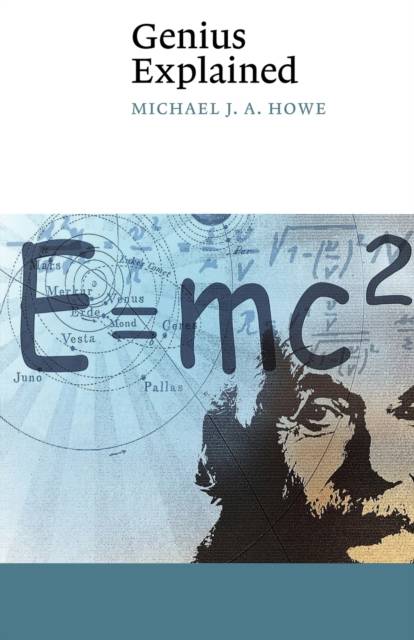
The cherished view of genius is that it is a special inborn gift: something mysterious, even miraculous. In Genius Explained, psychologist Michael Howe traces the lives of some exceptionally creative men and women, including Charles Darwin, the Brontë sisters, George Eliot, Michael Faraday, Albert Einstein and the railway inventor George Stephenson. Their biographies reveal how the extraordinary capabilities of these people were clearly rooted in the experiences and opportunities that forged their characters. Eschewing mysticism, Howe's study shows that to be a genius demands a strong sense of direction and an extraordinary degree of commitment, focus, practice, ardous training and drive. Michael J.A. Howe is professor of psychology at the University of Exeter. He is the author of A Teacher's Guide to the Psychology of Learning (Blackwell, 1999) and The Psychology of High Abilities (New York University Press, 1999). Previous paperback edition (1999) 0-521-64968-4
Specificaties
Betrokkenen
- Auteur(s):
- Uitgeverij:
Inhoud
- Aantal bladzijden:
- 236
- Taal:
- Engels
- Reeks:
Eigenschappen
- Productcode (EAN):
- 9780521008495
- Verschijningsdatum:
- 31/05/2001
- Uitvoering:
- Paperback
- Formaat:
- Trade paperback (VS)
- Afmetingen:
- 138 mm x 216 mm
- Gewicht:
- 308 g


Alleen bij Standaard Boekhandel
+ 64 punten op je klantenkaart van Standaard Boekhandel
Cadeau

AANGERADEN


Beoordelingen
We publiceren alleen reviews die voldoen aan de voorwaarden voor reviews. Bekijk onze voorwaarden voor reviews.