


- Afhalen na 1 uur in een winkel met voorraad
- Gratis thuislevering in België vanaf € 30
- Ruim aanbod met 7 miljoen producten
- Afhalen na 1 uur in een winkel met voorraad
- Gratis thuislevering in België vanaf € 30
- Ruim aanbod met 7 miljoen producten





€ 97,45
+ 194 punten
Omschrijving
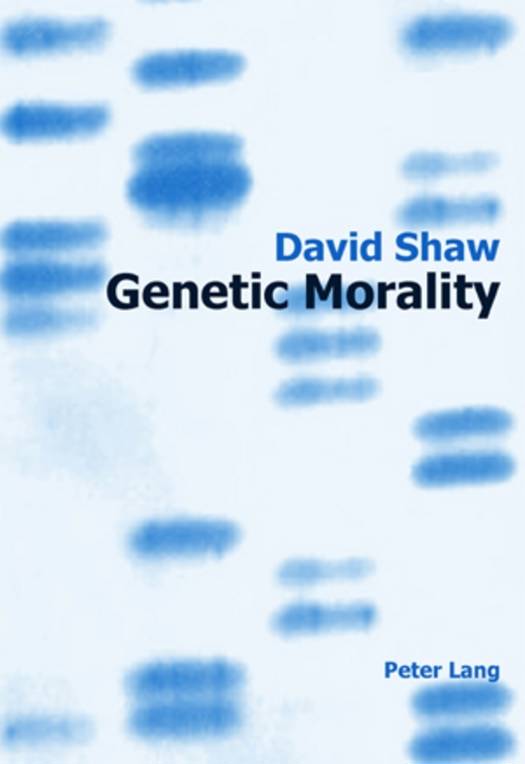
Cloning, embryo research and genetic modification are three of the most controversial issues of our time. Is it ethical to use cloning as a means of reproduction? Are embryos people? Is there a difference between removing genetic disease and creating designer babies? This book will attempt to show that these and other problems are ultimately resolvable, given careful and unbiased application of established ethical principles, many of which underlie common morality. These principles, when applied to the problems of the new genetic technologies, form the basis of a new genetic morality. This book applies established principles of biomedical ethics to the new genetic technologies and examines the ethical implications of reproductive and therapeutic cloning, genetic modification and stem cell research from a deontological and a rule-utilitarian perspective. Finally, it seeks to establish what, if anything, is wrong with each of these practices, and why.
Specificaties
Betrokkenen
- Auteur(s):
- Uitgeverij:
Inhoud
- Aantal bladzijden:
- 212
- Taal:
- Engels
Eigenschappen
- Productcode (EAN):
- 9783039111497
- Verschijningsdatum:
- 10/07/2006
- Uitvoering:
- Paperback
- Formaat:
- Trade paperback (VS)
- Afmetingen:
- 152 mm x 229 mm
- Gewicht:
- 299 g


Alleen bij Standaard Boekhandel
+ 194 punten op je klantenkaart van Standaard Boekhandel
Cadeau

AANGERADEN


Beoordelingen
We publiceren alleen reviews die voldoen aan de voorwaarden voor reviews. Bekijk onze voorwaarden voor reviews.