


- Afhalen na 1 uur in een winkel met voorraad
- Gratis thuislevering in België vanaf € 30
- Ruim aanbod met 7 miljoen producten
- Afhalen na 1 uur in een winkel met voorraad
- Gratis thuislevering in België vanaf € 30
- Ruim aanbod met 7 miljoen producten





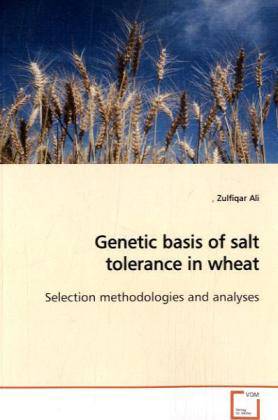
Genetic basis of salt tolerance in wheat
Selection methodologies and analyses
Zulfiqar Ali
Paperback | Engels
€ 66,45
Omschrijving
Salinity stress remains one of the world's oldest and
the most serious environmental problem, which
substantially hampers crop productivity in many arid
and semi arid regions. Several reclamation measures
like additions of gypsum, sulphur and sulphuric acid
to soils, and construction of wells and drainage
canals to reduce concentrations of salts in root
zones had been advocated and used by many nations.
However, these practices were discontinued due to
escalating energy costs. The development of salt
tolerant crop cultivars presents a possible
alternative to expensive engineering approaches to
bring saline lands under cultivation. The success of
development of salt tolerant crop cultivars depends
upon prebreeding research on the presence of genetic
variation and its inheritance pattern. The present
book, therefore, provides methodologies and analyses
to examine the magnitude of genetic variation for
salinity tolerance and its genetic basis in Triticum
aestivum L.
the most serious environmental problem, which
substantially hampers crop productivity in many arid
and semi arid regions. Several reclamation measures
like additions of gypsum, sulphur and sulphuric acid
to soils, and construction of wells and drainage
canals to reduce concentrations of salts in root
zones had been advocated and used by many nations.
However, these practices were discontinued due to
escalating energy costs. The development of salt
tolerant crop cultivars presents a possible
alternative to expensive engineering approaches to
bring saline lands under cultivation. The success of
development of salt tolerant crop cultivars depends
upon prebreeding research on the presence of genetic
variation and its inheritance pattern. The present
book, therefore, provides methodologies and analyses
to examine the magnitude of genetic variation for
salinity tolerance and its genetic basis in Triticum
aestivum L.
Specificaties
Betrokkenen
- Auteur(s):
- Uitgeverij:
Inhoud
- Aantal bladzijden:
- 92
- Taal:
- Engels
Eigenschappen
- Productcode (EAN):
- 9783639148688
- Verschijningsdatum:
- 20/05/2009
- Uitvoering:
- Paperback
- Afmetingen:
- 152 mm x 229 mm
- Gewicht:
- 145 g


Alleen bij Standaard Boekhandel
Cadeau

AANGERADEN


Beoordelingen
We publiceren alleen reviews die voldoen aan de voorwaarden voor reviews. Bekijk onze voorwaarden voor reviews.