


- Afhalen na 1 uur in een winkel met voorraad
- Gratis thuislevering in België vanaf € 30
- Ruim aanbod met 7 miljoen producten
- Afhalen na 1 uur in een winkel met voorraad
- Gratis thuislevering in België vanaf € 30
- Ruim aanbod met 7 miljoen producten




Omschrijving
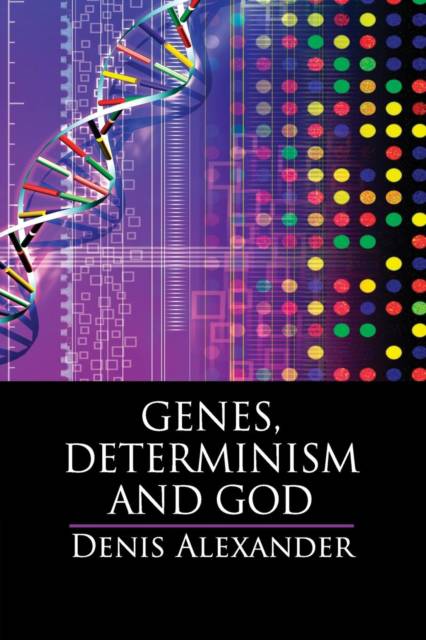
Over the past centuries the pendulum has constantly swung between an emphasis on the role of either nature or nurture in shaping human destiny, a pendulum often energised by ideological considerations. In recent decades the flourishing of developmental biology, genomics, epigenetics and our increased understanding of neuronal plasticity have all helped to subvert such dichotomous notions. Nevertheless, the media still report the discovery of a gene 'for' this or that behaviour, and the field of behavioural genetics continues to extend its reach into the social sciences, reporting the heritability of such human traits as religiosity and political affiliation. There are many continuing challenges to notions of human freedom and moral responsibility, with consequent implications for social flourishing, the legal system and religious beliefs. In this book, Denis Alexander critically examines these challenges, concluding that genuine free will, often influenced by genetic variation, emerges from an integrated view of human personhood derived from contemporary biology.
Specificaties
Betrokkenen
- Auteur(s):
- Uitgeverij:
Inhoud
- Aantal bladzijden:
- 392
- Taal:
- Engels
Eigenschappen
- Productcode (EAN):
- 9781316506387
- Verschijningsdatum:
- 10/07/2017
- Uitvoering:
- Paperback
- Formaat:
- Trade paperback (VS)
- Afmetingen:
- 164 mm x 232 mm
- Gewicht:
- 544 g


Alleen bij Standaard Boekhandel
+ 121 punten op je klantenkaart van Standaard Boekhandel
CADEAU


Beoordelingen
We publiceren alleen reviews die voldoen aan de voorwaarden voor reviews. Bekijk onze voorwaarden voor reviews.