


- Afhalen na 1 uur in een winkel met voorraad
- Gratis thuislevering in België vanaf € 30
- Ruim aanbod met 7 miljoen producten
- Afhalen na 1 uur in een winkel met voorraad
- Gratis thuislevering in België vanaf € 30
- Ruim aanbod met 7 miljoen producten





€ 64,45
+ 128 punten
Omschrijving
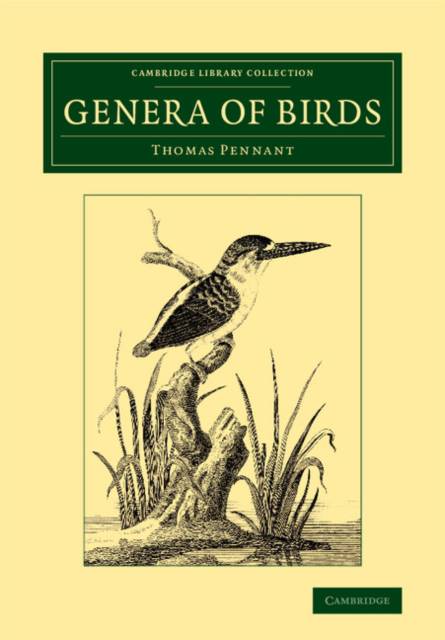
The naturalist and traveller Thomas Pennant (1726-98) helped popularise British ornithology by meticulously compiling and arranging existing research. At the age of twelve, Pennant had been given Francis Willughby's Ornithology (1678), to which he credited his lifelong love of natural history. His own writings on ornithology are heavily based on the classification system devised by Willughby and John Ray, which divides birds primarily into land birds and waterfowl. Although Pennant's brief, accessible book brought few original insights to the field, it boosted public interest in the study and classification of birds. The detailed descriptions of the appearance and habits of each bird are enlivened by the author's elegant turns of phrase. This better-known 1781 version of the 1773 original includes fifteen fine engravings. Pennant's other zoological works include Arctic Zoology (1784-5) and his History of Quadrupeds (third edition, 1793), both of which are reissued in this series.
Specificaties
Betrokkenen
- Auteur(s):
- Uitgeverij:
Inhoud
- Aantal bladzijden:
- 128
- Taal:
- Engels
- Reeks:
Eigenschappen
- Productcode (EAN):
- 9781108067782
- Verschijningsdatum:
- 2/01/2014
- Uitvoering:
- Paperback
- Formaat:
- Trade paperback (VS)
- Afmetingen:
- 170 mm x 244 mm
- Gewicht:
- 217 g


Alleen bij Standaard Boekhandel
+ 128 punten op je klantenkaart van Standaard Boekhandel
Cadeau

AANGERADEN


Beoordelingen
We publiceren alleen reviews die voldoen aan de voorwaarden voor reviews. Bekijk onze voorwaarden voor reviews.