


- Afhalen na 1 uur in een winkel met voorraad
- Gratis thuislevering in België vanaf € 30
- Ruim aanbod met 7 miljoen producten
- Afhalen na 1 uur in een winkel met voorraad
- Gratis thuislevering in België vanaf € 30
- Ruim aanbod met 7 miljoen producten





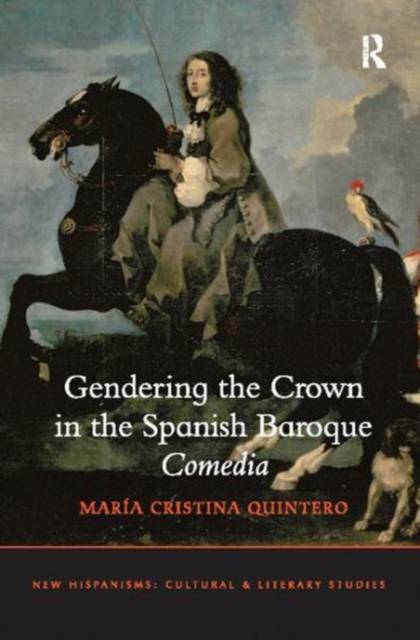
Gendering the Crown in the Spanish Baroque Comedia
María Cristina Quintero
€ 102,45
+ 204 punten
Uitvoering
Omschrijving
Taking into account theories of gender, performance and performativity within a historical context, this study explores how the Baroque comedia's preoccupation with kingship goes hand in hand with the obsessive representation of women (and women's bodies). The question of royal subjectivity in plays dealing with fantasies of feminine rule-by CalderÃ3n de la Barca, Tirso de Molina and others-is rendered inseparable from issues surrounding masculinity and femininity.
Specificaties
Betrokkenen
- Auteur(s):
- Uitgeverij:
Inhoud
- Aantal bladzijden:
- 264
- Taal:
- Engels
- Reeks:
Eigenschappen
- Productcode (EAN):
- 9781138109995
- Verschijningsdatum:
- 22/05/2017
- Uitvoering:
- Paperback
- Formaat:
- Trade paperback (VS)
- Afmetingen:
- 156 mm x 234 mm
- Gewicht:
- 371 g


Alleen bij Standaard Boekhandel
+ 204 punten op je klantenkaart van Standaard Boekhandel
Cadeau

AANGERADEN


Beoordelingen
We publiceren alleen reviews die voldoen aan de voorwaarden voor reviews. Bekijk onze voorwaarden voor reviews.