


- Afhalen na 1 uur in een winkel met voorraad
- Gratis thuislevering in België vanaf € 30
- Ruim aanbod met 7 miljoen producten
- Afhalen na 1 uur in een winkel met voorraad
- Gratis thuislevering in België vanaf € 30
- Ruim aanbod met 7 miljoen producten





€ 124,45
+ 248 punten
Uitvoering
Omschrijving
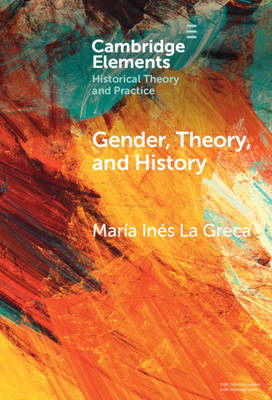
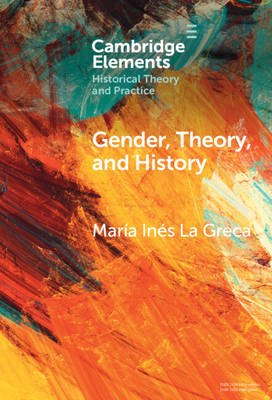
The category of gender has a special relation to history as an academic practice, as a form of writing, and as a way of understanding humanity as such. This Element reconstructs the trajectory of debates over gender to trace its emergence as an analytical category through the work of feminist thinkers such as that by Joan W. Scott, Judith Butler, and Donna Haraway. Situating the reader in a twenty-first century perspective, this Element shows that gender is still a key term in theoretical discussions not only within but also beyond academia, in current public debates related to women and LGBTQ+ human rights around the globe. 'Gender' is both a theoretical resource and a political tool to effect social change. Refiguring gender as a historical category, this Element provides a promising framework for historians, theorists of history, and everyone interested in reflecting on the relation between bodies, knowledge, and politics.
Specificaties
Betrokkenen
- Auteur(s):
- Uitgeverij:
Inhoud
- Aantal bladzijden:
- 78
- Taal:
- Engels
- Reeks:
Eigenschappen
- Productcode (EAN):
- 9781009571845
- Verschijningsdatum:
- 5/02/2026
- Uitvoering:
- Hardcover
- Formaat:
- Genaaid
- Afmetingen:
- 152 mm x 229 mm
- Gewicht:
- 276 g


Alleen bij Standaard Boekhandel
+ 248 punten op je klantenkaart van Standaard Boekhandel
Cadeau

AANGERADEN


Beoordelingen
We publiceren alleen reviews die voldoen aan de voorwaarden voor reviews. Bekijk onze voorwaarden voor reviews.