


- Afhalen na 1 uur in een winkel met voorraad
- Gratis thuislevering in België vanaf € 30
- Ruim aanbod met 7 miljoen producten
- Afhalen na 1 uur in een winkel met voorraad
- Gratis thuislevering in België vanaf € 30
- Ruim aanbod met 7 miljoen producten





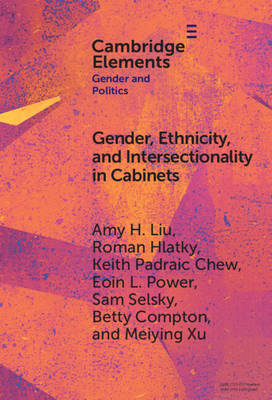
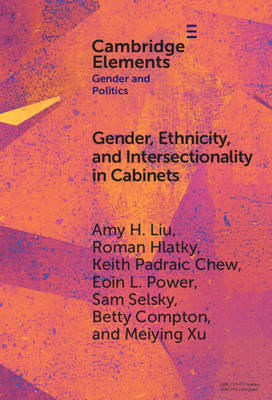
Gender, Ethnicity, and Intersectionality in Cabinets
Asia and Europe in Comparative Perspective
Amy H Liu, Roman Hlatky, Keith Padraic Chew, Eoin L Power, Sam Selsky, Betty Compton, Meiying Xu
€ 124,45
+ 248 punten
Uitvoering
Omschrijving
What explains patterns of representation - of women and ethnic minorities - in government cabinets? The authors argue governments diversify their cabinets when (1) a minority group - and it need not be ethnic - is sizable and can mobilize (political competition); and/or (2) the general population believes in and expects the inclusion of minorities (popular norms). The authors test their argument using original cabinet data from Asia and Europe (N=93) 1960-2015 and a most-similar design of four case studies. They identify the gender and ethnicity of 91,000 country-year-minister observations - with consideration of the rank of their ministerial portfolio. They find evidence that in countries where there is political competition and/or popular norms, cabinets have fewer double-hegemons. However, this does not necessarily suggest minorities are holding portfolios of substantive prestige. This project offers a way to study intersectionality in democratic representation and political institutions.
Specificaties
Betrokkenen
- Auteur(s):
- Uitgeverij:
Inhoud
- Aantal bladzijden:
- 102
- Taal:
- Engels
- Reeks:
Eigenschappen
- Productcode (EAN):
- 9781009570473
- Verschijningsdatum:
- 30/01/2025
- Uitvoering:
- Hardcover
- Formaat:
- Genaaid
- Afmetingen:
- 152 mm x 229 mm
- Gewicht:
- 308 g


Alleen bij Standaard Boekhandel
+ 248 punten op je klantenkaart van Standaard Boekhandel
Cadeau

AANGERADEN


Beoordelingen
We publiceren alleen reviews die voldoen aan de voorwaarden voor reviews. Bekijk onze voorwaarden voor reviews.