


- Afhalen na 1 uur in een winkel met voorraad
- Gratis thuislevering in België vanaf € 30
- Ruim aanbod met 7 miljoen producten
- Afhalen na 1 uur in een winkel met voorraad
- Gratis thuislevering in België vanaf € 30
- Ruim aanbod met 7 miljoen producten





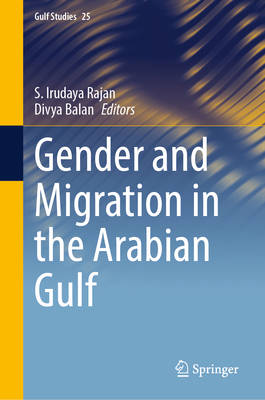
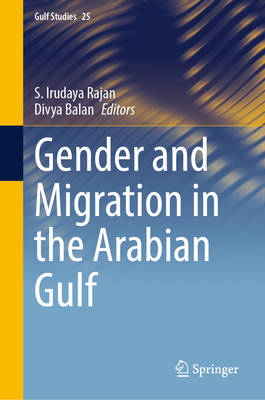
Gender and Migration in the Arabian Gulf
€ 244,45
+ 488 punten
Omschrijving
This book provides a groundbreaking exploration of gender and migration in the Arabian Gulf, challenging dominant narratives that reduce women's migration to domestic labor and caregiving. It presents a nuanced, interdisciplinary analysis of how women navigate transnational labor markets, exercise agency, and confront systemic inequalities in the Gulf Cooperation Council (GCC) countries. This book addresses a critical gap in migration studies by moving beyond male-centered frameworks and offering fresh insights into the diverse experiences of women across occupational categories. This book highlights the intersections of mobility, governance, class hierarchies, and legal frameworks that shape women's migration journeys. It critically examines how labor policies--including the controversial kafala (sponsorship) system--impact women migrants, while also shedding light on their strategies of resilience and negotiation within these structures. The book engages with key themes such as migration governance, informal recruitment networks, gendered labor reforms, and the socio-economic impacts of migration on families left behind. By integrating case studies from Qatar, Saudi Arabia, and the UAE, it evaluates the effectiveness of recent policy changes in addressing migrant women's rights. It also explores the role of social networks in both facilitating migration and reinforcing precarity, particularly for low-wage workers. Timely and relevant, this book speaks to ongoing global debates on migration governance, labor rights, and gender equity. It provides policy-relevant insights and aligns with the Sustainable Development Goals (SDGs), particularly those related to decent work, gender equality, and migrant protections. By uniting perspectives from sociology, anthropology, gender studies, and international relations, this book serves as an essential resource for scholars, policymakers, development professionals, humanitarian workers, and students seeking a deeper understanding of gendered migration in one of the world's most dynamic labor corridors.
Specificaties
Betrokkenen
- Uitgeverij:
Inhoud
- Aantal bladzijden:
- 209
- Taal:
- Engels
- Reeks:
- Reeksnummer:
- nr. 25
Eigenschappen
- Productcode (EAN):
- 9789819552580
- Verschijningsdatum:
- 3/02/2026
- Uitvoering:
- Hardcover
- Formaat:
- Genaaid
- Afmetingen:
- 156 mm x 234 mm
- Gewicht:
- 480 g

Alleen bij Standaard Boekhandel
+ 488 punten op je klantenkaart van Standaard Boekhandel
Cadeau

AANGERADEN


Beoordelingen
We publiceren alleen reviews die voldoen aan de voorwaarden voor reviews. Bekijk onze voorwaarden voor reviews.