


- Afhalen na 1 uur in een winkel met voorraad
- Gratis thuislevering in België vanaf € 30
- Ruim aanbod met 7 miljoen producten
- Afhalen na 1 uur in een winkel met voorraad
- Gratis thuislevering in België vanaf € 30
- Ruim aanbod met 7 miljoen producten




€ 186,95
+ 373 punten
Uitvoering
Omschrijving
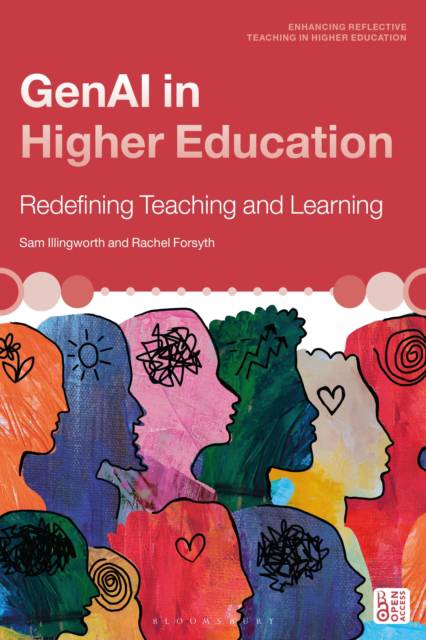
This open access book provides practicalguidance for higher education professionalslooking to use Generative ArtificialIntelligence (GenAI) technologies.Blending theoretical grounding with real-world examples and case studies, it gives step-by-step guidance on how to evaluate, select, and implement GenAI technologies in teaching, learning, assessment, and student support. It covers topics including automating administrative processes, adapting learning resources, and critiquing outputs. Each chapter includes reflective exercises and further reading lists and shows how AI can enhance accessibility, efficiency, and creativity in higher education. Alongside this, the many challenges and ethical considerations of using AI are introduced, including issues around plagiarism, quality control, and the need to establish governance protocols.
The ebook editions of this book are available open access under a CC BY-NC-ND 4.0 licence on bloomsburycollections.com. Open access was funded byLund University.
The ebook editions of this book are available open access under a CC BY-NC-ND 4.0 licence on bloomsburycollections.com. Open access was funded byLund University.
Specificaties
Betrokkenen
- Auteur(s):
- Uitgeverij:
Inhoud
- Aantal bladzijden:
- 152
- Taal:
- Engels
- Reeks:
Eigenschappen
- Productcode (EAN):
- 9781350535794
- Verschijningsdatum:
- 22/01/2026
- Uitvoering:
- Hardcover
- Formaat:
- Genaaid
- Afmetingen:
- 156 mm x 234 mm
- Gewicht:
- 390 g


Alleen bij Standaard Boekhandel
+ 373 punten op je klantenkaart van Standaard Boekhandel
AANGERADEN


Beoordelingen
We publiceren alleen reviews die voldoen aan de voorwaarden voor reviews. Bekijk onze voorwaarden voor reviews.