


- Afhalen na 1 uur in een winkel met voorraad
- Gratis thuislevering in België vanaf € 30
- Ruim aanbod met 7 miljoen producten
- Afhalen na 1 uur in een winkel met voorraad
- Gratis thuislevering in België vanaf € 30
- Ruim aanbod met 7 miljoen producten





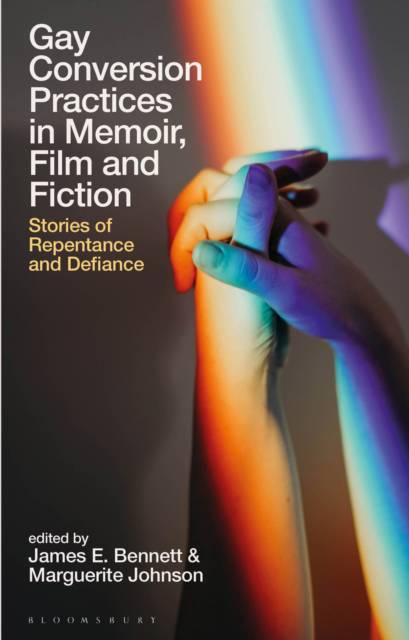
Gay Conversion Practices in Memoir, Film and Fiction
Stories of Repentance and Defiance
€ 67,95
+ 135 punten
Omschrijving
For over half a century, organizations and individuals promoting ex-gay, conversion and/ or reparative therapy have pushed the tenet that a person may be able to, and should, alter their sexual orientation. Their so-called treatments or therapies have taken various forms over the decades, ranging from medical (including psychiatric or psychological) rehabilitation approaches, to counselling, and religious healing.
Gay Conversion Practices in Memoir, Film and Fiction provides an in-depth exploration of the disturbing phenomenon of gay conversion 'therapy' and its fictional and autobiographical representations across a broad range of films and books such as But I'm a Cheerleader! (1999), This is What Love in Action Looks Like (2011) and Boy Erased (2018). In doing so, the volume emphasizes the powerful role the arts and media play in communicating stories around conversion practices. Approaching the timely and urgent subject from an interdisciplinary perspective, contributors utilize film theory, queer theory, literary theory, mental health and social movement theory to discuss the medicalization and pathologizing of queer people, the power of institutions ranging from church, psychiatry and family (sometimes in alliance), and the real and fictional voices of survivors.Specificaties
Betrokkenen
- Uitgeverij:
Inhoud
- Aantal bladzijden:
- 312
- Taal:
- Engels
- Reeks:
Eigenschappen
- Productcode (EAN):
- 9781350289871
- Verschijningsdatum:
- 22/01/2026
- Uitvoering:
- Paperback
- Formaat:
- Trade paperback (VS)
- Afmetingen:
- 140 mm x 216 mm
- Gewicht:
- 362 g

Alleen bij Standaard Boekhandel
+ 135 punten op je klantenkaart van Standaard Boekhandel
Cadeau

AANGERADEN


Beoordelingen
We publiceren alleen reviews die voldoen aan de voorwaarden voor reviews. Bekijk onze voorwaarden voor reviews.