


- Afhalen na 1 uur in een winkel met voorraad
- Gratis thuislevering in België vanaf € 30
- Ruim aanbod met 7 miljoen producten
- Afhalen na 1 uur in een winkel met voorraad
- Gratis thuislevering in België vanaf € 30
- Ruim aanbod met 7 miljoen producten





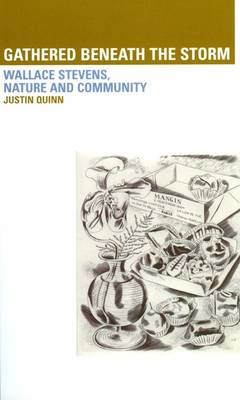
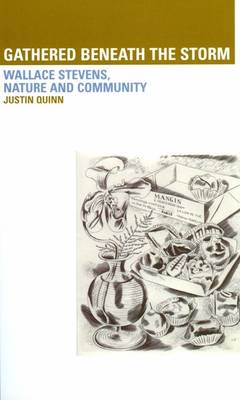
Gathered Beneath the Storm: Wallace Stevens Nature and Community
Wallace Stevens Nature and Community
Quinn
Hardcover | Engels
€ 80,95
+ 161 punten
Omschrijving
Wallace Stevens (1879-1955) has been acknowledged by writers as diverse as Harold Bloom, Adrienne Rich and R.S. Thomas as one of the central poets of the 20th century. Justin Quinn offers a fundamental reassessment of Stevens's work and the connections it makes between nature, community and art. He engages fully with the recent wave of historicist criticism, and displays the shortcomings of this approach, not only for a reading of Stevens, but also for literature in general. Quinn asks in his introduction "why shouldn't there be a criticism which attends to the societal contexts of poetry without reneging on responsibilities to poetry as a discourse distinct from politics and ideology, one with its own special rhetorical funds and resources, which can nevertheless allow it to comment on the political aspects of our lives in special ways?" His book responds to that requirement and is a valuable contribution to the critical debate on Wallace Stevens's poetry.
Specificaties
Betrokkenen
- Auteur(s):
- Uitgeverij:
Inhoud
- Aantal bladzijden:
- 168
- Taal:
- Engels
Eigenschappen
- Productcode (EAN):
- 9781900621663
- Verschijningsdatum:
- 10/01/2019
- Uitvoering:
- Hardcover
- Formaat:
- Genaaid
- Afmetingen:
- 177 mm x 228 mm
- Gewicht:
- 408 g


Alleen bij Standaard Boekhandel
+ 161 punten op je klantenkaart van Standaard Boekhandel
Cadeau

AANGERADEN


Beoordelingen
We publiceren alleen reviews die voldoen aan de voorwaarden voor reviews. Bekijk onze voorwaarden voor reviews.