


- Afhalen na 1 uur in een winkel met voorraad
- Gratis thuislevering in België vanaf € 30
- Ruim aanbod met 7 miljoen producten
- Afhalen na 1 uur in een winkel met voorraad
- Gratis thuislevering in België vanaf € 30
- Ruim aanbod met 7 miljoen producten





Omschrijving
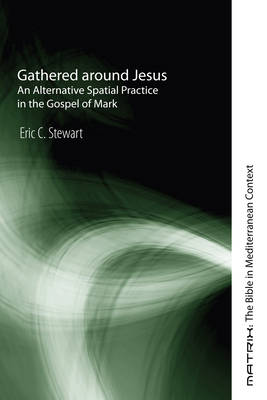
Modern theorists are virtually united in understanding that space encodes social practices and power relations. Those who control space exert their control by means of particular spatial practices. Models of critical spatiality, such as that of territoriality, show how social relationships are predominant in the classification, communication, and control of space. Space is seen as a relational category rather than an absolute category. In this innovative study, Stewart addresses Mark's editorial and/or compositional control over the geographic presentation of Jesus's ministry. He makes the case that Mark presents the world spatially in a manner widely consistent with geographic traditions found in Greek and Roman texts. In Mark, Stewart argues, Jesus offers an alternative spatial practice, one that is centered on himself. The kingdom of God exists spatially in the area around Jesus in which the new community ""gathers.""
Specificaties
Betrokkenen
- Auteur(s):
- Uitgeverij:
Inhoud
- Aantal bladzijden:
- 252
- Taal:
- Engels
- Reeks:
- Reeksnummer:
- nr. 6
Eigenschappen
- Productcode (EAN):
- 9781606080849
- Verschijningsdatum:
- 1/01/2009
- Uitvoering:
- Paperback
- Formaat:
- Trade paperback (VS)
- Afmetingen:
- 150 mm x 221 mm
- Gewicht:
- 376 g


Alleen bij Standaard Boekhandel
+ 88 punten op je klantenkaart van Standaard Boekhandel
Cadeau

AANGERADEN


Beoordelingen
We publiceren alleen reviews die voldoen aan de voorwaarden voor reviews. Bekijk onze voorwaarden voor reviews.