


- Afhalen na 1 uur in een winkel met voorraad
- Gratis thuislevering in België vanaf € 30
- Ruim aanbod met 7 miljoen producten
- Afhalen na 1 uur in een winkel met voorraad
- Gratis thuislevering in België vanaf € 30
- Ruim aanbod met 7 miljoen producten





€ 114,45
+ 228 punten
Omschrijving
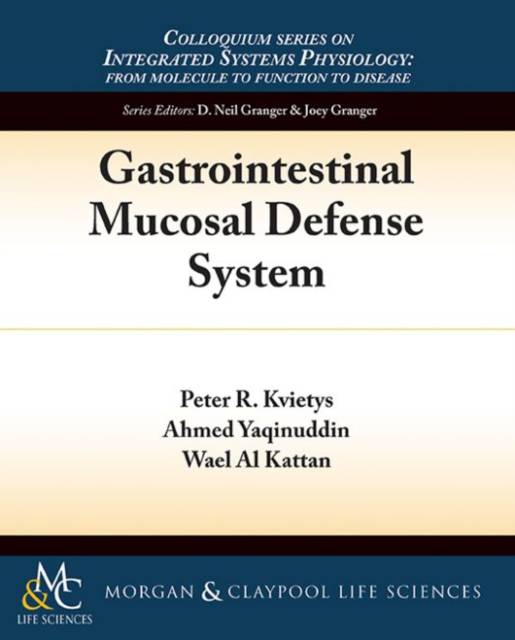
The gastrointestinal mucosal defense system serves to minimize mucosal injury by either ingested or endogenously produced noxious substances. The mucosal defense system is stratified into pre-epithelial (alkaline mucus), epithelial (dynamic epithelial lining), and post-epithelial (microcirculation) components. The mucus lining the epithelial surface presents a diffusional barrier to ingested material (e.g., lipids) and also serves as an unstirred layer in which a pH gradient can be established to prevent acid-induced injury. The epithelial lining prevents entrance of any toxic material to the interstitium and, should it be damaged, it is rapidly resealed by migration of adjacent viable epithelial cells to cover the defect. Any acid or other material that has entered the interstitium is washed out by an intense neurogenic hyperemia. In general, the mucosal defense system is quite effective and any adverse gastrointestinal effects associated with the normal course of nutrient assimilation are minimal. However, there are two situations in which the mucosal defense system is known to be ineffective and result in gastric mucosal injury: inadvertent ingestion of H. pylori. or intentional ingestion of NSAIDs. H. pylori can penetrate the mucus layers and cause epithelial injury and inflammation, while at the same time preventing its clearance by the host immune system. NSAIDs weaken the mucus layer and cause epithelial cell injury. Table of Contents: Acknowledgments / Introduction / The Mucus Layer / Epithelial Lining / Gastrointestinal Circulation / Integration of Mucosal Defense / Mucosal Defense System: Physiologic / Mucosal Defense System: H. pylori / Mucosal Defense System: Nonsteroidal Anti-Inflammatory Drugs (NSAIDS) / Overall Summary and Conclusions / References / Author Biographies
Specificaties
Betrokkenen
- Auteur(s):
- Uitgeverij:
Inhoud
- Aantal bladzijden:
- 172
- Taal:
- Engels
- Reeks:
Eigenschappen
- Productcode (EAN):
- 9781615041473
- Verschijningsdatum:
- 1/11/2014
- Uitvoering:
- Paperback
- Formaat:
- Trade paperback (VS)
- Afmetingen:
- 190 mm x 235 mm
- Gewicht:
- 308 g


Alleen bij Standaard Boekhandel
+ 228 punten op je klantenkaart van Standaard Boekhandel
Cadeau

AANGERADEN


Beoordelingen
We publiceren alleen reviews die voldoen aan de voorwaarden voor reviews. Bekijk onze voorwaarden voor reviews.