


- Afhalen na 1 uur in een winkel met voorraad
- Gratis thuislevering in België vanaf € 30
- Ruim aanbod met 7 miljoen producten
- Afhalen na 1 uur in een winkel met voorraad
- Gratis thuislevering in België vanaf € 30
- Ruim aanbod met 7 miljoen producten





€ 195,45
+ 390 punten
Omschrijving
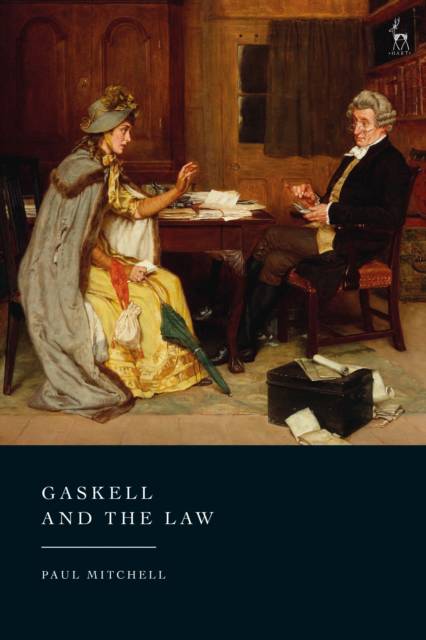
This is the first ever study of law in the fiction of Elizabeth Gaskell.
Elizabeth Gaskell is best known today as a novelist of social realism. Until now, however, her use of law, which is crucial to her portrait of society, has never been systematically explored. This book shows that Gaskell's fiction is rich with insights into the law of her time, and that reading her work with a lawyer's eye deepens and enriches the reading experience. The book explores Gaskell's work as a whole. It gives careful attention to her most famous novels, but also engages with the lesser-known novels and the shorter fiction, showing that these often overlooked works contain a wealth of original ideas and legal interest. Gaskell's fiction is shown consistently demonstrating a skilled, accurate and critical handling of legal rules and a sensitivity to law's personal and social effects. She does not limit herself to mid-nineteenth century issues, but enters into such fundamental questions as the individual's obligation to obey the law, and the relation between law and fiction. The book shows that a hitherto unappreciated aspect of Gaskell's genius as writer is that she integrates this sophisticated engagement with law seamlessly, so that it contributes to the cumulative artistic effect of her work. As a leading scholar of Victorian legal history, Paul Mitchell brings an in-depth knowledge of the law to his close readings of Gaskell. He brings out the richness and sophistication of Gaskell's engagement with the law, and proposes both new readings and new valuations of this important novelist's work.Specificaties
Betrokkenen
- Auteur(s):
- Uitgeverij:
Inhoud
- Aantal bladzijden:
- 184
- Taal:
- Engels
Eigenschappen
- Productcode (EAN):
- 9781509939732
- Verschijningsdatum:
- 11/12/2025
- Uitvoering:
- Hardcover
- Formaat:
- Genaaid
- Afmetingen:
- 156 mm x 234 mm
- Gewicht:
- 430 g



Alleen bij Standaard Boekhandel
+ 390 punten op je klantenkaart van Standaard Boekhandel
CADEAU

AANGERADEN


Beoordelingen
We publiceren alleen reviews die voldoen aan de voorwaarden voor reviews. Bekijk onze voorwaarden voor reviews.