


- Afhalen na 1 uur in een winkel met voorraad
- Gratis thuislevering in België vanaf € 30
- Ruim aanbod met 7 miljoen producten
- Afhalen na 1 uur in een winkel met voorraad
- Gratis thuislevering in België vanaf € 30
- Ruim aanbod met 7 miljoen producten





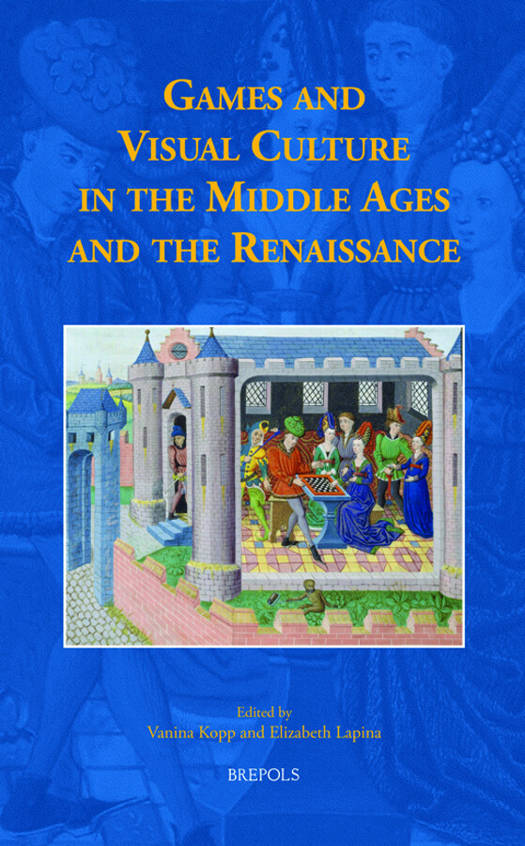
Omschrijving
During the Middle Ages and the Renaissance, games were not an idle pastime, but were in fact important tools for exploring, transmitting, enhancing, subverting, and challenging social practices and their rules. Their study, through both visual and material sources, offers a unique insight into medieval and early modern gaming culture, shedding light not only on why, where, when, with whom and in what conditions and circumstances people played games, but also on the variety of interpretations that they had of games and play. Representations of games, and of artefacts associated with games, also often served to communicate complex ideas on topics that ranged from war to love, and from politics to theology. This volume offers a particular focus onto the type of games that required little or no physical exertion and that, consequently, all people could enjoy, regardless of age, gender, status, occupation, or religion. The representations and artefacts discussed here by contributors, who come from varied disciplines including history, literary studies, art history, and archaeology, cover a wide geographical and chronological range, from Spain to Scandinavia to the Ottoman Turkey and from the early medieval period to the seventeenth century and beyond. Far from offering the 'last word' on the subject, it is hoped that this volume will encourage further studies.
Specificaties
Betrokkenen
- Auteur(s):
- Uitgeverij:
Inhoud
- Aantal bladzijden:
- 356
- Taal:
- Engels
- Reeks:
- Reeksnummer:
- nr. 8
Eigenschappen
- Productcode (EAN):
- 9782503588728
- Verschijningsdatum:
- 14/01/2021
- Uitvoering:
- Hardcover
- Formaat:
- Genaaid
- Afmetingen:
- 163 mm x 239 mm
- Gewicht:
- 952 g


Alleen bij Standaard Boekhandel
+ 180 punten op je klantenkaart van Standaard Boekhandel
AANGERADEN


Beoordelingen
We publiceren alleen reviews die voldoen aan de voorwaarden voor reviews. Bekijk onze voorwaarden voor reviews.