


- Afhalen na 1 uur in een winkel met voorraad
- Gratis thuislevering in België vanaf € 30
- Ruim aanbod met 7 miljoen producten
- Afhalen na 1 uur in een winkel met voorraad
- Gratis thuislevering in België vanaf € 30
- Ruim aanbod met 7 miljoen producten





€ 54,45
+ 108 punten
Omschrijving
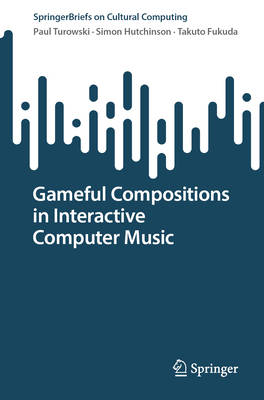
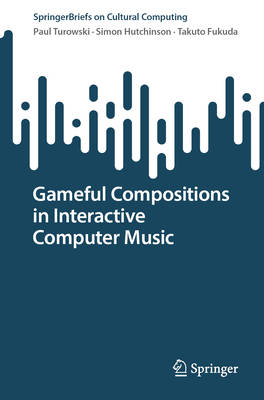
This SpringerBrief introduces and examines "digital gameful compositions" (DGCs) in interactive computer music, i.e. interdisciplinary new media works that substantially integrate both digital games and music performance. DGCs are performative, interactive musical works structured by game mechanics, in which the music emerges through the dynamic engagement of the player-performer within the system. The book is organized into four chapters, exploring the conceptual, technical, and experiential dimensions of DGCs. Chapter 1 provides foundational context for understanding DGCs by tracing the historical and theoretical intersections of music and games. Next, chapter 2 focuses on the mechanics of DGCs and how these systems generate musical meaning. It examines how game mechanics can function as digital scores, musical instruments, and virtual performance spaces. Chapter 3 then explores the role of agency and experience in DGCs, focusing on how performers and audiences engage with these works. It applies semiotic frameworks to analyze how meaning emerges through interaction, and introduces concepts such as ergodicity, decision space, and the hierarchy of interactive forms. It also addresses the role of the audience, discussing transparency, participation, and the aesthetics of fun and play. Finally, chapter 4 looks toward the future of DGCs by examining how emerging technologies are reshaping the medium. It considers how these technologies expand the expressive potential of DGCs by enabling new forms of embodiment, interaction, and collaboration.
Specificaties
Betrokkenen
- Auteur(s):
- Uitgeverij:
Inhoud
- Aantal bladzijden:
- 83
- Taal:
- Engels
- Reeks:
Eigenschappen
- Productcode (EAN):
- 9783032126818
- Verschijningsdatum:
- 14/04/2026
- Uitvoering:
- Paperback
- Formaat:
- Trade paperback (VS)
- Afmetingen:
- 155 mm x 235 mm
- Gewicht:
- 191 g


Alleen bij Standaard Boekhandel
+ 108 punten op je klantenkaart van Standaard Boekhandel
Cadeau

AANGERADEN


Beoordelingen
We publiceren alleen reviews die voldoen aan de voorwaarden voor reviews. Bekijk onze voorwaarden voor reviews.