


- Afhalen na 1 uur in een winkel met voorraad
- Gratis thuislevering in België vanaf € 30
- Ruim aanbod met 7 miljoen producten
- Afhalen na 1 uur in een winkel met voorraad
- Gratis thuislevering in België vanaf € 30
- Ruim aanbod met 7 miljoen producten





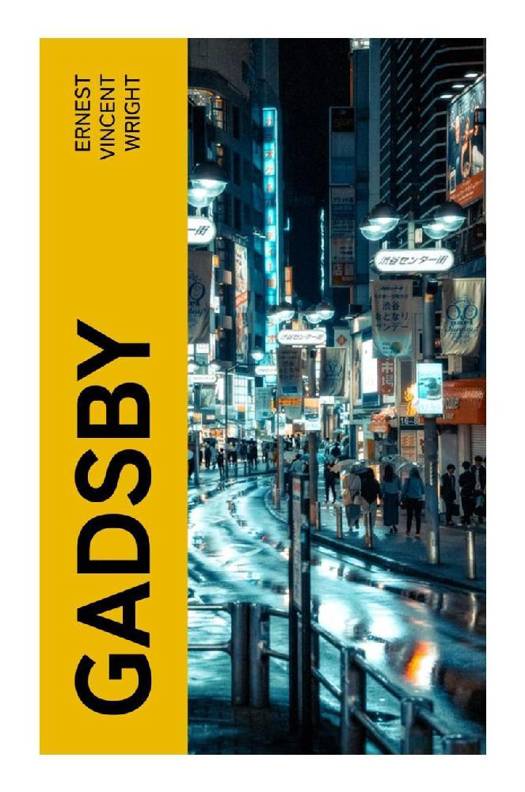
Gadsby
A Classic Lipogram Novel of Small-Town Civic Reform, Constrained Writing, and Letter-E Avoidance
Ernest Vincent Wright
Paperback | Engels
€ 10,45
+ 20 punten
Omschrijving
Gadsby is a singular experiment in American prose, a 1939 lipogrammatic novel of more than 50,000 words composed without the letter 'e'. Its plot follows John Gadsby as he mobilizes the young people of Branton Hills to rescue a stagnant town through civic reform and communal imagination. The narrative's plainspoken optimism belongs to small-town uplift fiction, yet its real drama lies in syntax: Wright's constraint turns ordinary description into a study of ingenuity, substitution, and verbal discipline. Ernest Vincent Wright, born in 1872, remains an elusive figure in American letters, remembered chiefly for this audacious constraint. A veteran of earlier literary experiments and popular entertainments, he reportedly disabled the forbidden typewriter key while composing the manuscript. Gadsby reflects both his fascination with linguistic puzzles and a democratic faith in purposeful action, industry, and youth, values prominent in interwar civic culture. Readers interested in formal innovation should approach Gadsby not merely as a curiosity, but as a sustained meditation on what limitation can make possible. Its sentimentality and awkward circumlocutions are inseparable from its achievement. For students of experimental fiction, constrained writing, or the history of avant-garde technique before Oulipo, Wright's novel is indispensable, charming, and quietly heroic.
Specificaties
Betrokkenen
- Auteur(s):
- Uitgeverij:
Inhoud
- Taal:
- Engels
Eigenschappen
- Productcode (EAN):
- 9788027381043
- Uitvoering:
- Paperback
- Afmetingen:
- 152 mm x 229 mm
- Gewicht:
- 170 g


Alleen bij Standaard Boekhandel
+ 20 punten op je klantenkaart van Standaard Boekhandel
CADEAU

AANGERADEN


Beoordelingen
We publiceren alleen reviews die voldoen aan de voorwaarden voor reviews. Bekijk onze voorwaarden voor reviews.