


- Afhalen na 1 uur in een winkel met voorraad
- Gratis thuislevering in België vanaf € 30
- Ruim aanbod met 7 miljoen producten
- Afhalen na 1 uur in een winkel met voorraad
- Gratis thuislevering in België vanaf € 30
- Ruim aanbod met 7 miljoen producten





€ 265,95
+ 531 punten
Omschrijving
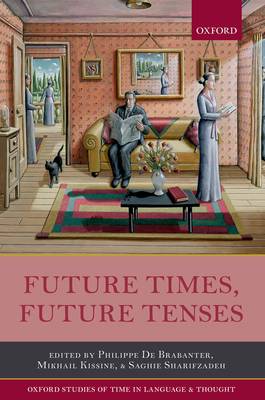
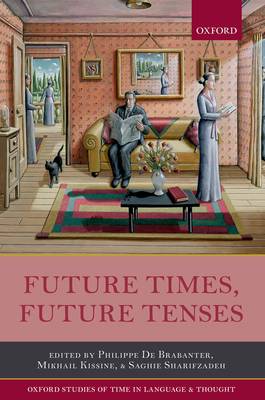
Future Times, Future Tenses examines how the future is expressed by means of tense, aspect, and modality across a wide range of languages, among them French, Polish, Basque, Turkish, and West Greenlandic. From the present point of view, the future is not fixed: while there is arguably only one past, the future is largely open and/or indeterminate. Reference to the future has thus become one of the most hotly-debated topics in contemporary linguistics: the interactions of future tense with future time, and of future tense with the semantics of possible worlds, are crucial to any satisfactory account of temporal linguistics. This book considers and seeks a resolution to outstanding issues in the field by uniting linguistic and philosophical perspectives on future reference in natural language. Scholars from different parts of the world approach these issues from a variety of theoretical perspectives, including those of linguistic typology, formal semantics, pragmatics, and philosophy of language. In the process they question the very validity of the traditional notion of a specific marker for future tense. The book shows the close connections between linguistic, logical, metaphysical, ontological, and epistemological issues concerning the future and reveals the value of linking linguistic considerations of tense and aspect to philosophical approaches to modality and time.
Specificaties
Betrokkenen
- Auteur(s):
- Uitgeverij:
Inhoud
- Aantal bladzijden:
- 312
- Taal:
- Engels
- Reeks:
Eigenschappen
- Productcode (EAN):
- 9780199679157
- Verschijningsdatum:
- 26/08/2014
- Uitvoering:
- Hardcover
- Formaat:
- Genaaid
- Afmetingen:
- 163 mm x 236 mm
- Gewicht:
- 612 g


Alleen bij Standaard Boekhandel
+ 531 punten op je klantenkaart van Standaard Boekhandel
Cadeau

AANGERADEN


Beoordelingen
We publiceren alleen reviews die voldoen aan de voorwaarden voor reviews. Bekijk onze voorwaarden voor reviews.