


- Afhalen na 1 uur in een winkel met voorraad
- Gratis thuislevering in België vanaf € 30
- Ruim aanbod met 7 miljoen producten
- Afhalen na 1 uur in een winkel met voorraad
- Gratis thuislevering in België vanaf € 30
- Ruim aanbod met 7 miljoen producten





€ 62,45
+ 124 punten
Omschrijving
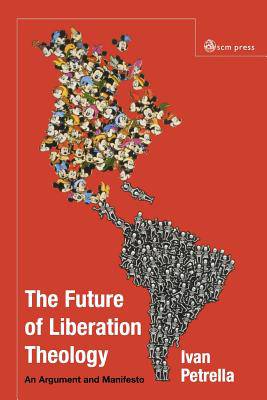
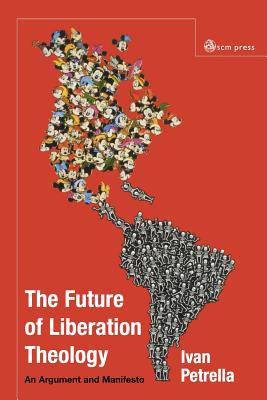
There is a notion amongst some academics that Latin American Liberation Theology has had its day, a dream killed off by the Nicaraguan and Salvadoran revolutions, the 1989 demise of socialism and the "end of history" claims of the champions of capitalism. However in this book Petrella proves this to be an ill-conceived notion, and shows that this theology can be reinvented to bring its preferential option for the poor into the real world. The actualisation of historical projects is possible by adopting the methods developed by the Brazilian champion of critical legal studies, Robert Unger. Doing so will entail the rejection of these theologians' unitary concepts of a despised and rejected capitalism and a canonized and accepted socialism. Petrella argues for a reconstruction of these concepts and those of democracy and property too. He closely analyses the differences in democracy and capitalism as practised across the USA and Europe in support for the reconstruction of these concepts bringing about far-reaching suggestions for the future of liberation theology.
Specificaties
Betrokkenen
- Auteur(s):
- Uitgeverij:
Inhoud
- Aantal bladzijden:
- 188
- Taal:
- Engels
Eigenschappen
- Productcode (EAN):
- 9780334040613
- Verschijningsdatum:
- 28/06/2006
- Uitvoering:
- Paperback
- Formaat:
- Trade paperback (VS)
- Afmetingen:
- 165 mm x 233 mm
- Gewicht:
- 258 g


Alleen bij Standaard Boekhandel
+ 124 punten op je klantenkaart van Standaard Boekhandel
Cadeau

AANGERADEN


Beoordelingen
We publiceren alleen reviews die voldoen aan de voorwaarden voor reviews. Bekijk onze voorwaarden voor reviews.