


- Afhalen na 1 uur in een winkel met voorraad
- Gratis thuislevering in België vanaf € 30
- Ruim aanbod met 7 miljoen producten
- Afhalen na 1 uur in een winkel met voorraad
- Gratis thuislevering in België vanaf € 30
- Ruim aanbod met 7 miljoen producten





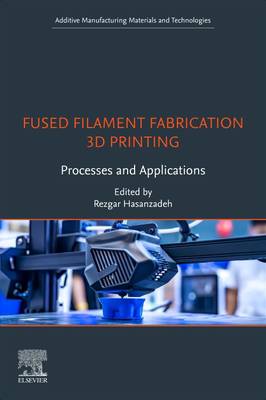
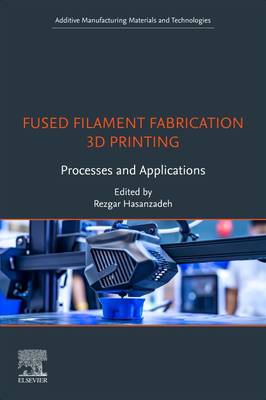
Fused Filament Fabrication 3D Printing
Processes and Applications
€ 331,95
+ 663 punten
Omschrijving
Fused Filament Fabrication 3D Printing: Processes and Applications overviews fused filament fabrication additive manufacturing, highlighting the advantages, limitations, and unique strengths of this 3D printing method. Key process parameters essential for effective slicing and printing of 3D objects are covered, including methods for optimizing these parameters, particularly when working with composite filaments. The mechanical properties of printed parts, with an emphasis on tensile and impact strength performance are discussed, as are design considerations, strategies to mitigate the key limitations of the technique, and analysis of how various FFF process parameters affect the mechanical and morphological properties of the printed parts. Case studies and applications are also included, highlighting the use of FFF technology in biomedicine and tissue engineering, shape memory polymers, acoustic insulation, and auxetic structures with tailored mechanical responses.
Specificaties
Betrokkenen
- Uitgeverij:
Inhoud
- Aantal bladzijden:
- 500
- Taal:
- Engels
- Reeks:
Eigenschappen
- Productcode (EAN):
- 9780443452239
- Verschijningsdatum:
- 15/10/2026
- Uitvoering:
- Paperback
- Formaat:
- Trade paperback (VS)
- Afmetingen:
- 152 mm x 229 mm
- Gewicht:
- 449 g

Alleen bij Standaard Boekhandel
+ 663 punten op je klantenkaart van Standaard Boekhandel
Cadeau

AANGERADEN


Beoordelingen
We publiceren alleen reviews die voldoen aan de voorwaarden voor reviews. Bekijk onze voorwaarden voor reviews.