



- Afhalen na 1 uur in een winkel met voorraad
- In januari gratis thuislevering in België
- Ruim aanbod met 7 miljoen producten
- Afhalen na 1 uur in een winkel met voorraad
- In januari gratis thuislevering in België
- Ruim aanbod met 7 miljoen producten





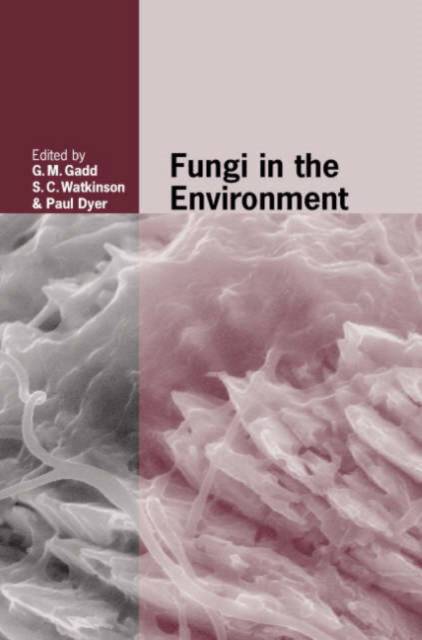
Fungi in the Environment
€ 165,95
+ 331 punten
Omschrijving
Fungi are of fundamental importance in the terrestrial environment. They have roles as decomposers, plant pathogens, symbionts, and in elemental cycles. Fungi are often dominant, and in soil can comprise the largest pool of biomass (including other microorganisms and invertebrates). They also play a role in maintenance of soil structure due to their filamentous growth habit and exopolymer production. Despite their important roles in the biosphere, fungi are frequently neglected within broader environmental and microbiological spheres. Additionally, mycological interests can be somewhat fragmented between traditional subject boundaries. This multi-disciplinary volume explores the roles and importance of fungi in the environment. Particular emphasis is given to major research advances made in recent years as a result of molecular and genomic approaches, and in cell imaging and biology. Drawing together microbiologists, mycologists, and environmental scientists, this work is a unique account of modern environmental mycology, and a pivotal contribution to the field.
Specificaties
Betrokkenen
- Uitgeverij:
Inhoud
- Aantal bladzijden:
- 408
- Taal:
- Engels
- Reeks:
- Reeksnummer:
- nr. 25
Eigenschappen
- Productcode (EAN):
- 9780521850292
- Verschijningsdatum:
- 12/04/2007
- Uitvoering:
- Hardcover
- Formaat:
- Ongenaaid / garenloos gebonden
- Afmetingen:
- 162 mm x 228 mm
- Gewicht:
- 780 g

Alleen bij Standaard Boekhandel
+ 331 punten op je klantenkaart van Standaard Boekhandel
Cadeau

AANGERADEN


Beoordelingen
We publiceren alleen reviews die voldoen aan de voorwaarden voor reviews. Bekijk onze voorwaarden voor reviews.