



- Afhalen na 1 uur in een winkel met voorraad
- In januari gratis thuislevering in België
- Ruim aanbod met 7 miljoen producten
- Afhalen na 1 uur in een winkel met voorraad
- In januari gratis thuislevering in België
- Ruim aanbod met 7 miljoen producten





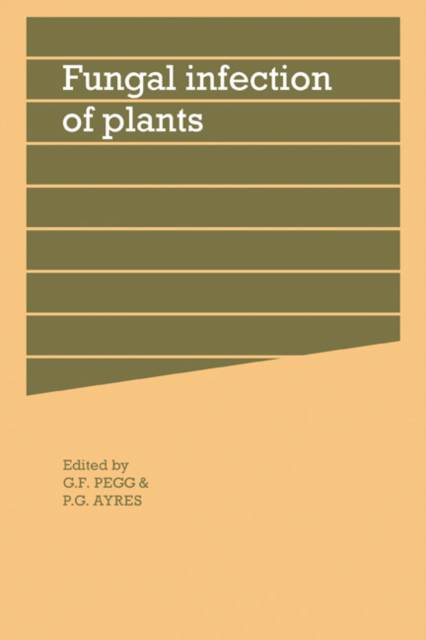
Fungal Infection of Plants
Symposium of the British Mycological Society
€ 92,45
+ 184 punten
Omschrijving
Infection of most species of cultivated and wild plants by fungi is a normal biological event, but one of profound importance in the exploitation of plants for food and medicine, building materials and decorative purposes. Potato Blight, Dutch Elm disease and Southern Leaf Blight are all examples of infections leading to disease and plant death, but mycorrhizal fungi confer great benefit on plants, enhancing growth and providing cross-protection agains plant pathogenic species. Originally published in 1987, this book examines infection as a phenomenon common to pathogenic and mycorrhizal fungi alike. It deals with the establishment, progress and outcome of infection and covers such important fundamental aspects as recognition and resistance and seeks to explain why some infections lead to disease while others remain symptomless and beneficial. The various chapters provide a detailed account of the different aspects of fungal infection, written by an international group of scientists.
Specificaties
Betrokkenen
- Uitgeverij:
Inhoud
- Aantal bladzijden:
- 444
- Taal:
- Engels
- Reeks:
- Reeksnummer:
- nr. 13
Eigenschappen
- Productcode (EAN):
- 9780521106283
- Verschijningsdatum:
- 9/06/2011
- Uitvoering:
- Paperback
- Formaat:
- Trade paperback (VS)
- Afmetingen:
- 152 mm x 229 mm
- Gewicht:
- 648 g


Alleen bij Standaard Boekhandel
+ 184 punten op je klantenkaart van Standaard Boekhandel
Cadeau

AANGERADEN


Beoordelingen
We publiceren alleen reviews die voldoen aan de voorwaarden voor reviews. Bekijk onze voorwaarden voor reviews.