



Je cadeautjes zeker op tijd in huis hebben voor de feestdagen? Kom langs in onze winkels en vind het perfecte geschenk!
- Afhalen na 1 uur in een winkel met voorraad
- Gratis thuislevering in België vanaf € 30
- Ruim aanbod met 7 miljoen producten
Je cadeautjes zeker op tijd in huis hebben voor de feestdagen? Kom langs in onze winkels en vind het perfecte geschenk!
- Afhalen na 1 uur in een winkel met voorraad
- Gratis thuislevering in België vanaf € 30
- Ruim aanbod met 7 miljoen producten





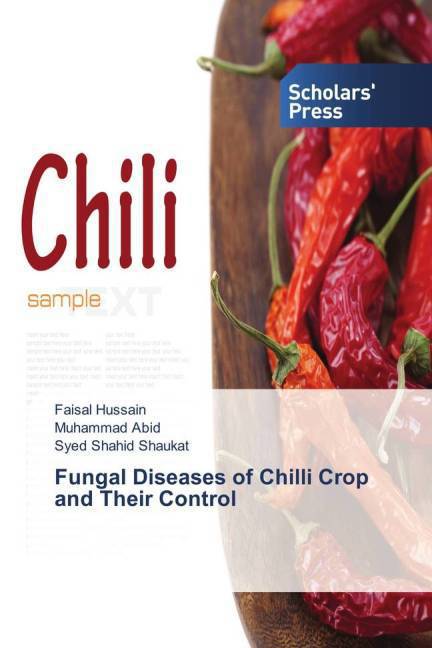
Fungal Diseases of Chilli Crop and Their Control
Faisal Hussain, Muhammad Abid, Syed Shahid Shaukat
Paperback | Engels
€ 78,95
+ 157 punten
Omschrijving
Chilli (Capsicum annuum L./ C. furtescens L.) is economically important and considered as cash crop of Pakistan. Sindh province is the major chilli producing province of Pakistan and its share in the total domestic production is about 82-85%, particularly lower region including Hyderabad, Tando Allahyar, Mirpurkhas, Kot Ghulam Muhammad, Digri, Umerkot, Kunri, Samaro and surrounding areas of these regions produced the chilli fruit in high quantity. It is observed that continuous decline in the production of chillies is going on rapidly every year. The reasons of this reduction and cause various diseases depend upon various factors and the major threats in chilli production are pathogenic fungi which are responsible for losses every year. A total number of fourteen different fungi including Alternaria alternata, A. solani, Aspergillus flavus, A. niger, Botrytis cinerea, Cercospora capsici, Colletotirchum capsici, Fusarium oxysporum, F. solani, Leveillula taurica, Macrophomina phaseolina, Phytophthora capsici, Pythium sp. and Rhizoctonia solani were isolated from the affected samples of chilli plants collected from different areas of Sindh.
Specificaties
Betrokkenen
- Auteur(s):
- Uitgeverij:
Inhoud
- Aantal bladzijden:
- 160
- Taal:
- Engels
Eigenschappen
- Productcode (EAN):
- 9783639515190
- Uitvoering:
- Paperback
- Afmetingen:
- 150 mm x 220 mm


Alleen bij Standaard Boekhandel
+ 157 punten op je klantenkaart van Standaard Boekhandel
CADEAU


Beoordelingen
We publiceren alleen reviews die voldoen aan de voorwaarden voor reviews. Bekijk onze voorwaarden voor reviews.