


- Afhalen na 1 uur in een winkel met voorraad
- Gratis thuislevering in België vanaf € 30
- Ruim aanbod met 7 miljoen producten
- Afhalen na 1 uur in een winkel met voorraad
- Gratis thuislevering in België vanaf € 30
- Ruim aanbod met 7 miljoen producten





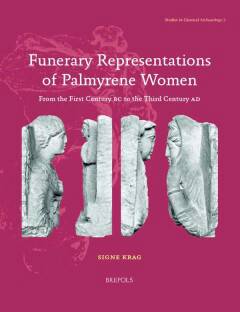
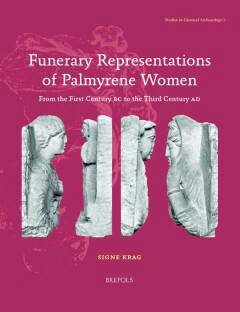
Funerary Representations of Palmyrene Women
From the First Century BC to the Third Century AD
Signe Krag
€ 116,60
+ 233 punten
Omschrijving
The ancient city of Palmyra, which today lies in the desert of modern Syria, was once a flourishing city of trade. During the Roman era, when Palmyra was at the height of its powers, several hundred funerary monuments were constructed in the city, and within these, portraits of Palmyra's inhabitants were once displayed. These representations of men, women, and children from the Roman Imperial period form the largest body of portraiture known outside of Rome itself, and their study is essential to our understanding of how funerary portraiture in the Roman provinces was used as a mechanism to shape and express identity. This volume offers a study and catalogue of the funerary portraits of Palmyrene women from the first century BC to the third century AD. It explores both the visual qualities of the portraits themselves, and the complexities of the space in which they were originally situated. By analysing the civic and religious activities of women within Palmyra, this book also situates these portraits in a broader context. Through this approach, the work thus addresses key questions concerning the characteristics of Palmyrene female portraits and what this indicates about the nature of female identity in Roman Palmyra, how the portrayals of women changed over time, and what might have caused such changes.
Specificaties
Betrokkenen
- Auteur(s):
- Uitgeverij:
Inhoud
- Aantal bladzijden:
- 422
- Taal:
- Engels
- Reeks:
- Reeksnummer:
- nr. 3
Eigenschappen
- Productcode (EAN):
- 9782503569659
- Verschijningsdatum:
- 30/08/2018
- Uitvoering:
- Paperback
- Formaat:
- Trade paperback (VS)
- Afmetingen:
- 213 mm x 279 mm
- Gewicht:
- 1700 g


Alleen bij Standaard Boekhandel
+ 233 punten op je klantenkaart van Standaard Boekhandel
Cadeau

AANGERADEN


Beoordelingen
We publiceren alleen reviews die voldoen aan de voorwaarden voor reviews. Bekijk onze voorwaarden voor reviews.