


- Afhalen na 1 uur in een winkel met voorraad
- Gratis thuislevering in België vanaf € 30
- Ruim aanbod met 7 miljoen producten
- Afhalen na 1 uur in een winkel met voorraad
- Gratis thuislevering in België vanaf € 30
- Ruim aanbod met 7 miljoen producten




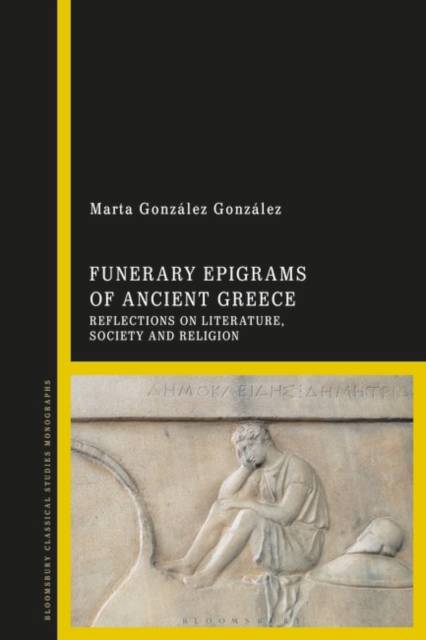
Funerary Epigrams of Ancient Greece
Reflections on Literature, Society and Religion
Marta González González
Hardcover | Engels
€ 254,45
+ 508 punten
Omschrijving
Taking a wide selection of Greek funerary epigrams from the 6th to 4th centuries BC, this volume considers their historical and chronological contexts to draw out information about the society that created them. Using both Hansen's corpus of epigrams and wider examples, it gives priority to those cases where the whole monument ensemble is preserved, both text and image, enabling a much better understanding of the significance of the texts.
A thematic structure within a broader chronological framework provides a valuable lens on the epigrams, allowing readers to compare particular types across the time period. After introducing the funerary landscape in which the selected epigrams fit, González briefly considers the literary form of epigrams as a foil for the rest of the book. The remaining chapters focus on epitaphs of individuals in the most significant stages of life, where gender differences are most marked: themes include untimely death, women and wives, friendship, piety and non-kin love. All epigrams are offered in Greek, followed by an English translation. The analysis focuses on the literary aspects of the epigrams, as well as on the information they provide about both society and religion of ancient Greece.
A thematic structure within a broader chronological framework provides a valuable lens on the epigrams, allowing readers to compare particular types across the time period. After introducing the funerary landscape in which the selected epigrams fit, González briefly considers the literary form of epigrams as a foil for the rest of the book. The remaining chapters focus on epitaphs of individuals in the most significant stages of life, where gender differences are most marked: themes include untimely death, women and wives, friendship, piety and non-kin love. All epigrams are offered in Greek, followed by an English translation. The analysis focuses on the literary aspects of the epigrams, as well as on the information they provide about both society and religion of ancient Greece.
Specificaties
Betrokkenen
- Auteur(s):
- Uitgeverij:
Inhoud
- Aantal bladzijden:
- 224
- Taal:
- Engels
Eigenschappen
- Productcode (EAN):
- 9781350062429
- Verschijningsdatum:
- 7/03/2019
- Uitvoering:
- Hardcover
- Formaat:
- Genaaid
- Afmetingen:
- 156 mm x 234 mm
- Gewicht:
- 489 g


Alleen bij Standaard Boekhandel
+ 508 punten op je klantenkaart van Standaard Boekhandel
CADEAU


Beoordelingen
We publiceren alleen reviews die voldoen aan de voorwaarden voor reviews. Bekijk onze voorwaarden voor reviews.