



Je cadeautjes zeker op tijd in huis hebben voor de feestdagen? Kom langs in onze winkels en vind het perfecte geschenk!
- Afhalen na 1 uur in een winkel met voorraad
- Gratis thuislevering in België vanaf € 30
- Ruim aanbod met 7 miljoen producten
Je cadeautjes zeker op tijd in huis hebben voor de feestdagen? Kom langs in onze winkels en vind het perfecte geschenk!
- Afhalen na 1 uur in een winkel met voorraad
- Gratis thuislevering in België vanaf € 30
- Ruim aanbod met 7 miljoen producten





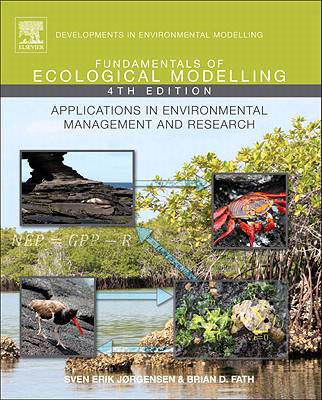
Fundamentals of Ecological Modelling
Applications in Environmental Management and Research Volume 21
S E Jorgensen
€ 147,45
+ 294 punten
Omschrijving
Fundamentals of Ecological Modelling: Applications in Environmental Management and Research, Fourth Edition, provides a comprehensive discussion of the fundamental principles of ecological modeling. The first two editions of this book (published in 1986 and 1994) focused on the roots of the discipline the four main model types that dominated the field 30-40 years ago: (1) dynamic biogeochemical models; (2) population dynamic models; (3) ecotoxicological models; and (4) steady-state biogeochemical and energy models. The third edition focused on the mathematical formulations of ecological processes that are included in ecological models. This fourth edition uses the four model types previously listed as the foundation and expands the latest model developments in spatial models, structural dynamic models, and individual-based models. As these seven types of models are very different and require different considerations in the model development phase, a separate chapter is devoted to the development of each of the model types. Throughout the text, the examples given from the literature emphasize the application of models for environmental management and research.
Specificaties
Betrokkenen
- Auteur(s):
- Uitgeverij:
Inhoud
- Aantal bladzijden:
- 350
- Taal:
- Engels
- Reeks:
- Reeksnummer:
- nr. 21
Eigenschappen
- Productcode (EAN):
- 9780444535672
- Verschijningsdatum:
- 18/01/2011
- Uitvoering:
- Hardcover
- Formaat:
- Ongenaaid / garenloos gebonden
- Afmetingen:
- 193 mm x 236 mm
- Gewicht:
- 898 g


Alleen bij Standaard Boekhandel
+ 294 punten op je klantenkaart van Standaard Boekhandel
CADEAU


Beoordelingen
We publiceren alleen reviews die voldoen aan de voorwaarden voor reviews. Bekijk onze voorwaarden voor reviews.