


- Afhalen na 1 uur in een winkel met voorraad
- Gratis thuislevering in België vanaf € 30
- Ruim aanbod met 7 miljoen producten
- Afhalen na 1 uur in een winkel met voorraad
- Gratis thuislevering in België vanaf € 30
- Ruim aanbod met 7 miljoen producten





Omschrijving
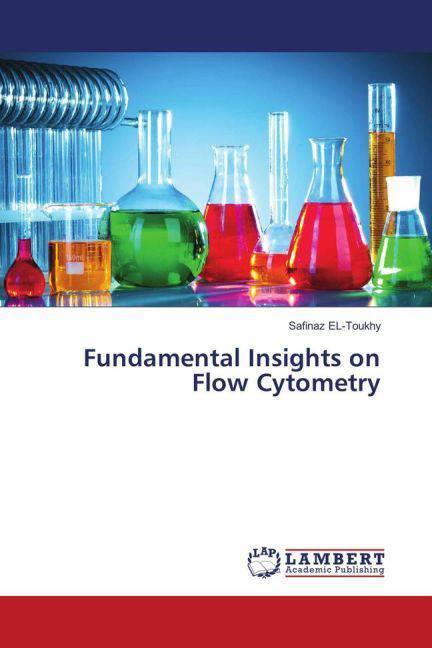
Flow cytometry (FCM) is the most practiced member of a family of technologies known variously as automated, analytical and quantitative cytology. Flow cytometry DNA content analysis of human neoplasia provides quantitative information on DNA ploidy, clonal DNA heterogeneity and proliferative activity. The wide use of FCM also stems from the fact that this methodology provides a mean to study the properties of large cell populations rather than concentrating on either a few cells, as could be obtained by autoradiography, or on average values, such as obtained by biochemical measurements of synchronized populations. The presence of rare cells or minor subpopulations escapes detection. FCM technique allows the measurement through the fluorescence intensity of large number of cells that are labeled with antibodies conjugated to fluorescent reporter molecules to accurately detect the fraction of cells in a population expressing an antigen. Two or more antigens can also be examined simultaneously that permits the correlation of antigen levels with cell cycle. FCM has both diagnostic (leukemia and lymphoma) and prognostic (receptor expression) roles.
Specificaties
Betrokkenen
- Auteur(s):
- Uitgeverij:
Inhoud
- Aantal bladzijden:
- 68
- Taal:
- Engels
Eigenschappen
- Productcode (EAN):
- 9783330055841
- Uitvoering:
- Paperback
- Afmetingen:
- 150 mm x 220 mm
- Gewicht:
- 120 g



Alleen bij Standaard Boekhandel
+ 70 punten op je klantenkaart van Standaard Boekhandel

Beoordelingen
We publiceren alleen reviews die voldoen aan de voorwaarden voor reviews. Bekijk onze voorwaarden voor reviews.