


- Afhalen na 1 uur in een winkel met voorraad
- Gratis thuislevering in België vanaf € 30
- Ruim aanbod met 7 miljoen producten
- Afhalen na 1 uur in een winkel met voorraad
- Gratis thuislevering in België vanaf € 30
- Ruim aanbod met 7 miljoen producten





€ 53,45
+ 106 punten
Uitvoering
Omschrijving
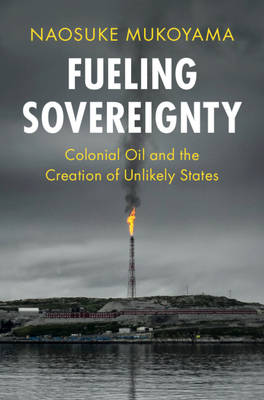
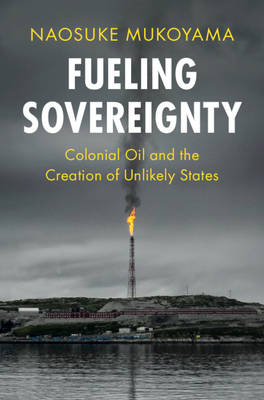
European colonialism was often driven by the pursuit of natural resources, and the resulting colonization and decolonization processes have had a profound impact on the formation of the majority of sovereign states that exist today. But how exactly have natural resources influenced the creation of formerly colonized states? And would the world map of sovereign states look significantly different if not for these resources? These questions are at the heart of Fueling Sovereignty, which focuses primarily on oil as the most significant natural resource of the modern era. Naosuke Mukoyama provides a compelling analysis of how colonial oil politics contributed to the creation of some of the world's most "unlikely" states. Drawing on extensive archival sources on Brunei, Qatar and Bahrain, he sheds light on how some small colonial entities achieved independence despite their inclusion in a merger project promoted by the metropole and regional powers.
Specificaties
Betrokkenen
- Auteur(s):
- Uitgeverij:
Inhoud
- Aantal bladzijden:
- 248
- Taal:
- Engels
- Reeks:
Eigenschappen
- Productcode (EAN):
- 9781009444293
- Verschijningsdatum:
- 21/03/2024
- Uitvoering:
- Paperback
- Formaat:
- Trade paperback (VS)
- Afmetingen:
- 152 mm x 229 mm
- Gewicht:
- 335 g


Alleen bij Standaard Boekhandel
+ 106 punten op je klantenkaart van Standaard Boekhandel
Cadeau

AANGERADEN


Beoordelingen
We publiceren alleen reviews die voldoen aan de voorwaarden voor reviews. Bekijk onze voorwaarden voor reviews.