


- Afhalen na 1 uur in een winkel met voorraad
- Gratis thuislevering in België vanaf € 30
- Ruim aanbod met 7 miljoen producten
- Afhalen na 1 uur in een winkel met voorraad
- Gratis thuislevering in België vanaf € 30
- Ruim aanbod met 7 miljoen producten





€ 20,95
+ 41 punten
Omschrijving
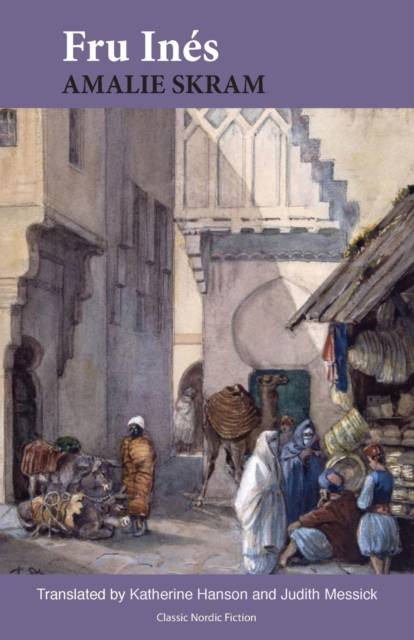
Fru Inés is a city novel, vividly evoking the sights, sounds and smells of nineteenth-century Constantinople. The city is a hub, a meeting point of East and West, where privileged Europeans enjoy a cossetted existence screened from the tumult and misery of the streets. One of the privileged is Inés, a Spanish Levantine from Alexandria, whose marriage to a Swedish consul has brought her a life of enviable luxury; but behind the polished façade she is lonely and unfulfilled, trapped in a loveless marriage. Her yearning for passion leads her to embark on an affair with a naïve young Swede, Arthur Flemming; but their love is threatened from the start by portents of disaster and the threat of discovery, and Inés is inexorably drawn to seek rescue from the sordid dealers from whom she had been so careful to keep aloof. Amalie Skram was a contemporary of Henrik Ibsen, and like him a fierce critic of repressive social mores and hypocrisy. Many of her works make an impassioned statement on the way women of all classes are imprisoned in their social roles, contributing to the great debate about sexual morality which engaged many Nordic writers in the late nineteenth century. Her female characters are independent, rebellious, even reckless; but their upbringing and their circumstances combine to deny them the fulfilment their creator so painfully won for herself.
Specificaties
Betrokkenen
- Auteur(s):
- Vertaler(s):
- Uitgeverij:
Inhoud
- Aantal bladzijden:
- 170
- Taal:
- Engels
Eigenschappen
- Productcode (EAN):
- 9781909408050
- Verschijningsdatum:
- 15/03/2014
- Uitvoering:
- Paperback
- Formaat:
- Trade paperback (VS)
- Afmetingen:
- 124 mm x 198 mm
- Gewicht:
- 181 g



Alleen bij Standaard Boekhandel
+ 41 punten op je klantenkaart van Standaard Boekhandel
Cadeau

AANGERADEN


Beoordelingen
We publiceren alleen reviews die voldoen aan de voorwaarden voor reviews. Bekijk onze voorwaarden voor reviews.