


- Afhalen na 1 uur in een winkel met voorraad
- Gratis thuislevering in België vanaf € 30
- Ruim aanbod met 7 miljoen producten
- Afhalen na 1 uur in een winkel met voorraad
- Gratis thuislevering in België vanaf € 30
- Ruim aanbod met 7 miljoen producten





€ 19,45
+ 38 punten
Omschrijving
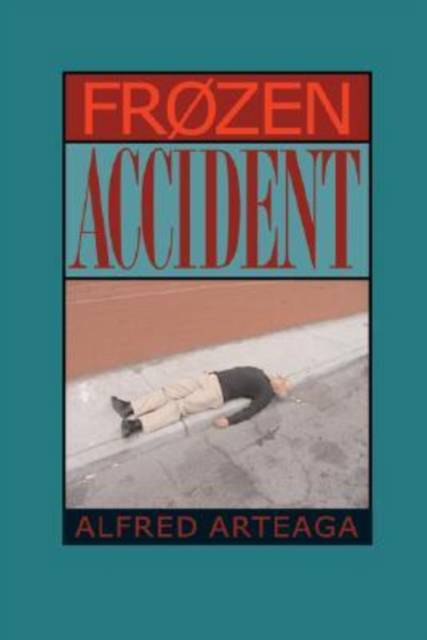
Frozen Accident is a long poem and, echoing Dante, its primary section "Nezahualcoyotl in Mictlan" narrates a trip to hell. Yet, Mictlan is not quite the Inferno. For Alfred Arteaga the place of the dead is California, the last stop for Western culture, the final limit of its reach. The West's poets and philosophers have long declared history over, god dead, and that what remains is merely the house of language. In other words, all is but frozen accident. If the endpoint is California, the poem's point of departure is an assassination that radically shaped history. A young man witnessed his father's murder in a power play that unintentionally enabled the Aztecs to establish an empire. The young man, Nezahualcoyotl, became the philosopher king of Texcoco and wrote the most famous poem of pre-conquest Americas, "Song of Flight." What did it mean to be and then to cease to be? Were we all, after all, perhaps but texts of god, existing only in the breath, and red and black inks of divine poetry?
Specificaties
Betrokkenen
- Auteur(s):
- Uitgeverij:
Inhoud
- Aantal bladzijden:
- 80
- Taal:
- Engels
Eigenschappen
- Productcode (EAN):
- 9781882688326
- Verschijningsdatum:
- 1/10/2006
- Uitvoering:
- Paperback
- Formaat:
- Trade paperback (VS)
- Afmetingen:
- 153 mm x 228 mm
- Gewicht:
- 95 g


Alleen bij Standaard Boekhandel
+ 38 punten op je klantenkaart van Standaard Boekhandel
Cadeau

AANGERADEN


Beoordelingen
We publiceren alleen reviews die voldoen aan de voorwaarden voor reviews. Bekijk onze voorwaarden voor reviews.