


- Afhalen na 1 uur in een winkel met voorraad
- Gratis thuislevering in België vanaf € 30
- Ruim aanbod met 7 miljoen producten
- Afhalen na 1 uur in een winkel met voorraad
- Gratis thuislevering in België vanaf € 30
- Ruim aanbod met 7 miljoen producten





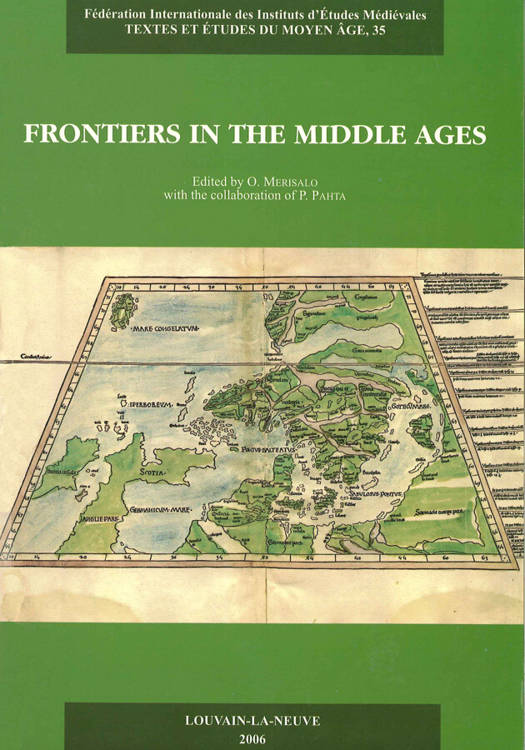
Frontiers in the Middle Ages
Proceedings of the Third European Congress of the Medieval Studies (Jyvaskyla, 10-14 June 2003)
O. Merisalo
€ 68,90
+ 137 punten
Omschrijving
The first uses of the term frontiere in thirteenth-fourteenth-century French were military, referring to the first line of troops in a battle. In architecture it meant the front of a building, and at the end of the fourteenth century it was first used as a geographical term, in Spain specifically about the divide between the Christians and the Muslims. More than obstacles, medieval frontiers - whether geographical, political, military, intellectual or artistic - seem to have been bridges and points of contact. Frontiers was the theme of the Third European Congress of Medieval Studies organised by the FIDEM in Jyvaskyla, Finland, in 2003. True to the nature of the FIDEM, it was highly interdisciplinary, bringing together scholars from all over the world, addressing problems ranging from Byzantine administration to Icelandic vernacular scribal culture, during a week of extraordinary intellectual excitement. This volume brings together forty-four contributions by specialists of history, history of ideas, medieval philosophy, philology, linguistics, literature as well as manuscript and archival studies.
Specificaties
Betrokkenen
- Auteur(s):
- Uitgeverij:
Inhoud
- Aantal bladzijden:
- 773
- Taal:
- Engels
- Reeks:
- Reeksnummer:
- nr. 35
Eigenschappen
- Productcode (EAN):
- 9782503524207
- Verschijningsdatum:
- 11/07/2006
- Uitvoering:
- Paperback
- Formaat:
- Trade paperback (VS)
- Afmetingen:
- 170 mm x 239 mm
- Gewicht:
- 1292 g



Alleen bij Standaard Boekhandel
+ 137 punten op je klantenkaart van Standaard Boekhandel
Cadeau

AANGERADEN


Beoordelingen
We publiceren alleen reviews die voldoen aan de voorwaarden voor reviews. Bekijk onze voorwaarden voor reviews.