


- Afhalen na 1 uur in een winkel met voorraad
- Gratis thuislevering in België vanaf € 30
- Ruim aanbod met 7 miljoen producten
- Afhalen na 1 uur in een winkel met voorraad
- Gratis thuislevering in België vanaf € 30
- Ruim aanbod met 7 miljoen producten





€ 305,45
+ 610 punten
Omschrijving
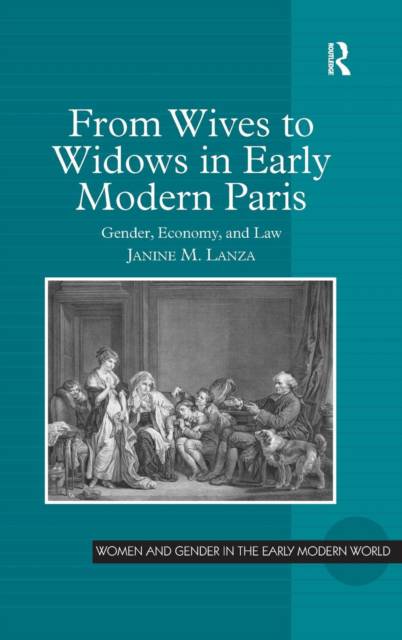
Looking especially at widows of master craftsmen in early modern Paris, this study provides analysis of the social and cultural structures that shaped widows' lives as well as their day-to-day experiences. Janine Lanza examines widows in early modern Paris at every social and economic level, beginning with the late sixteenth century when changes in royal law curtailed the movement of property within families up to the time of the French Revolution. The glimpses she gives us of widows running businesses, debating remarriage, and negotiating marriage contracts offer precious insights into the daily lives of women in this period. Lanza shows that understanding widows dramatically alters our understanding of gender, not only in terms of how it was lived in this period but also how historians can use this idea as a category of analysis. Her study also engages the historiographical issue of business and entrepreneurship, particularly women's participation in the world of work; and explicitly examines the place of the law in the lived experience of the early modern period. How did widowed women use their newly acquired legal emancipation? How did they handle their emotional loss? How did their roles in their families and their communities change? How did they remain financially solvent without a man in the house? How did they make decisions that had always been made by the men around them? These questions all touch upon the experience of widows and on the ways women related to prevalent structures and ideologies in this society. Lanza's study of these women, the ways they were represented and how they experienced their widowhood, challenges many historical assumptions about women and their roles with respect to the law, the family, and economic activity.
Specificaties
Betrokkenen
- Auteur(s):
- Uitgeverij:
Inhoud
- Aantal bladzijden:
- 262
- Taal:
- Engels
- Reeks:
Eigenschappen
- Productcode (EAN):
- 9780754656432
- Verschijningsdatum:
- 28/11/2007
- Uitvoering:
- Hardcover
- Formaat:
- Genaaid
- Afmetingen:
- 156 mm x 234 mm
- Gewicht:
- 544 g


Alleen bij Standaard Boekhandel
+ 610 punten op je klantenkaart van Standaard Boekhandel
AANGERADEN


Beoordelingen
We publiceren alleen reviews die voldoen aan de voorwaarden voor reviews. Bekijk onze voorwaarden voor reviews.