


- Afhalen na 1 uur in een winkel met voorraad
- Gratis thuislevering in België vanaf € 30
- Ruim aanbod met 7 miljoen producten
- Afhalen na 1 uur in een winkel met voorraad
- Gratis thuislevering in België vanaf € 30
- Ruim aanbod met 7 miljoen producten





€ 22,36
+ 22 punten
Uitvoering
Omschrijving
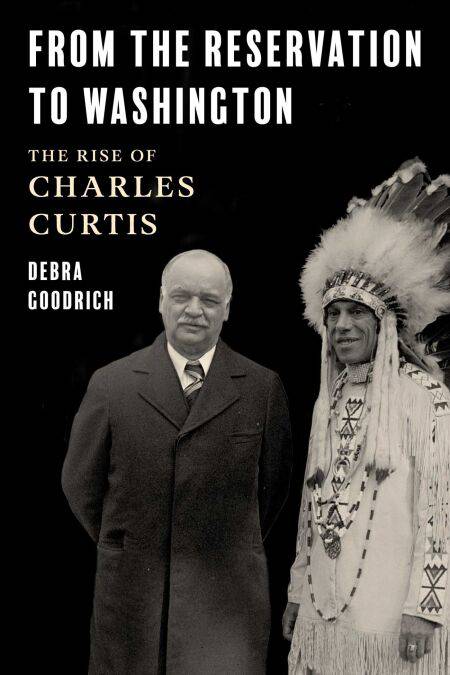
The first person of color to serve as vice president, Charles Curtis was once a household name but has become a footnote in American history. As a mixed-race person who became a public figure in the nineteenth and early twentieth centuries, his story is more relevant today than ever. He was constantly forced to choose whether to be Indian or white. Society would not let him be both. When his temper flared it was his “savage nature” coming through; when he presided over the United States Senate with an unprecedented knowledge of the rules and procedures, it was evidence of his “civilized” ancestry.
Charles Curtis was born into Bleeding Kansas and came of age during the most turbulent of times. His father participated in the violence, as a Kansas Redleg avenging the actions of Missouri bushwhackers. As Civil War evolved into the Plains Indian Wars, Curtis was an eyewitness as his own people were starving and even the most powerful of tribes were confined to reservations. These forces shaped his philosophy and perspective. To this day he holds the distinction of being the only person of Native American heritage to be elected the second highest office in the land. He served as the 31st vice president of the United States from 1929 to 1933 under Herbert Hoover. Private and pragmatic, he became a respected statesman championing citizenship for Native Americans and rights for women. But his path of inclusion was perceived by others as destroying tribal sovereignty. Perhaps he realized that. But in his experience the most powerful force on earth was the federal government, and he learned to play the government game and to be better at it than almost anyone else.
Charles Curtis was born into Bleeding Kansas and came of age during the most turbulent of times. His father participated in the violence, as a Kansas Redleg avenging the actions of Missouri bushwhackers. As Civil War evolved into the Plains Indian Wars, Curtis was an eyewitness as his own people were starving and even the most powerful of tribes were confined to reservations. These forces shaped his philosophy and perspective. To this day he holds the distinction of being the only person of Native American heritage to be elected the second highest office in the land. He served as the 31st vice president of the United States from 1929 to 1933 under Herbert Hoover. Private and pragmatic, he became a respected statesman championing citizenship for Native Americans and rights for women. But his path of inclusion was perceived by others as destroying tribal sovereignty. Perhaps he realized that. But in his experience the most powerful force on earth was the federal government, and he learned to play the government game and to be better at it than almost anyone else.
Specificaties
Betrokkenen
- Auteur(s):
- Uitgeverij:
Inhoud
- Aantal bladzijden:
- 264
- Taal:
- Engels
Eigenschappen
- Productcode (EAN):
- 9781493075362
- Verschijningsdatum:
- 14/10/2024
- Uitvoering:
- E-book
- Beveiligd met:
- Adobe DRM
- Formaat:
- ePub


Alleen bij Standaard Boekhandel
+ 22 punten op je klantenkaart van Standaard Boekhandel
Cadeau

AANGERADEN


Beoordelingen
We publiceren alleen reviews die voldoen aan de voorwaarden voor reviews. Bekijk onze voorwaarden voor reviews.