


- Afhalen na 1 uur in een winkel met voorraad
- Gratis thuislevering in België vanaf € 30
- Ruim aanbod met 7 miljoen producten
- Afhalen na 1 uur in een winkel met voorraad
- Gratis thuislevering in België vanaf € 30
- Ruim aanbod met 7 miljoen producten





€ 240,95
+ 481 punten
Omschrijving
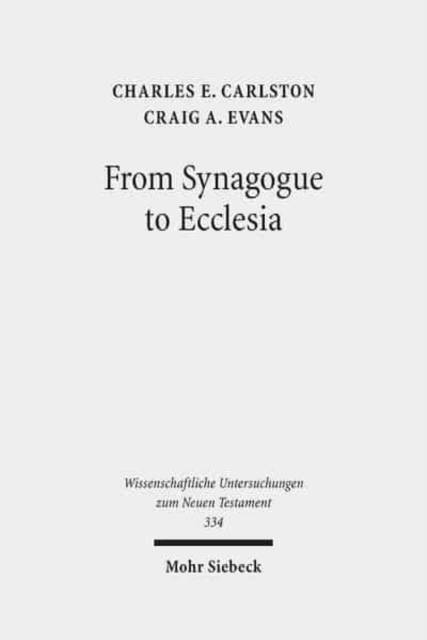
Charles E. Carlston and Craig A. Evans examine in detail five major motifs in the theology of Matthew: Christology, Law, Church, Scripture and Tradition, as well as History and Eschatology. In this study, they reveal a Jewish-Christian author who attempts to mediate the traditions of Judaism and early Christianity to Christian churches in his area that are becoming increasingly composed of former Gentiles. Diversity then, as now, offers both a challenge and an opportunity. The evangelist, moreover, was faced with rejection by the synagogue and strongly voiced skepticism with regard to the proclamation of Jesus as Israel's Messiah. To encourage believers and defend the story of Jesus, the evangelist shows how prophetic Scripture and the demands of Torah have been fulfilled. While not all of the specifics of Matthew's program are immediately usable today, the evangelist offers valuable guidance for the contemporary church in our vastly different historical situation.
Specificaties
Betrokkenen
- Auteur(s):
- Uitgeverij:
Inhoud
- Aantal bladzijden:
- 631
- Taal:
- Engels
- Reeks:
- Reeksnummer:
- nr. 334
Eigenschappen
- Productcode (EAN):
- 9783161518041
- Verschijningsdatum:
- 1/09/2014
- Uitvoering:
- Hardcover
- Formaat:
- Genaaid
- Afmetingen:
- 167 mm x 232 mm
- Gewicht:
- 1019 g


Alleen bij Standaard Boekhandel
+ 481 punten op je klantenkaart van Standaard Boekhandel
Cadeau

AANGERADEN


Beoordelingen
We publiceren alleen reviews die voldoen aan de voorwaarden voor reviews. Bekijk onze voorwaarden voor reviews.