


- Afhalen na 1 uur in een winkel met voorraad
- Gratis thuislevering in België vanaf € 30
- Ruim aanbod met 7 miljoen producten
- Afhalen na 1 uur in een winkel met voorraad
- Gratis thuislevering in België vanaf € 30
- Ruim aanbod met 7 miljoen producten





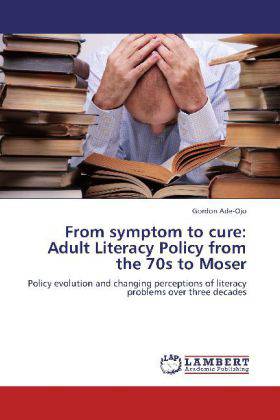
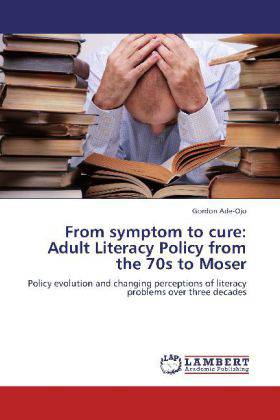
From symptom to cure: Adult Literacy Policy from the 70s to Moser
Policy evolution and changing perceptions of literacy problems over three decades
Gordon Ade-Ojo
Paperback | Engels
€ 77,95
+ 155 punten
Omschrijving
This book traces the evolution of adult literacy policy in the UK between the 1970s and the advent of the Moser Committee. It argues that policy in this area is often shaped by the perceptions that policy makers hold of literacy problems and as such, policy has over this period evolved from a perception of literacy problems as a symptom through a perception of literacy problems as the cause of other social problems to a perception of literacy itself as a cure for many social problems. The book provides a unique perspective as the analysis draws copiously from a series of interviews with practitioners and policy makers over the period. In this respect, some insight is shed into the thinking of some of the people who were particularly important in the policy formation process. The author as a researcher takes sides in the debates and never really shies away from staking claims on the different sides of the debate on perceptions of literacy.
Specificaties
Betrokkenen
- Auteur(s):
- Uitgeverij:
Inhoud
- Aantal bladzijden:
- 300
- Taal:
- Engels
Eigenschappen
- Productcode (EAN):
- 9783846504321
- Verschijningsdatum:
- 27/09/2011
- Uitvoering:
- Paperback
- Afmetingen:
- 150 mm x 220 mm
- Gewicht:
- 414 g


Alleen bij Standaard Boekhandel
+ 155 punten op je klantenkaart van Standaard Boekhandel
Cadeau

AANGERADEN


Beoordelingen
We publiceren alleen reviews die voldoen aan de voorwaarden voor reviews. Bekijk onze voorwaarden voor reviews.