


- Afhalen na 1 uur in een winkel met voorraad
- Gratis thuislevering in België vanaf € 30
- Ruim aanbod met 7 miljoen producten
- Afhalen na 1 uur in een winkel met voorraad
- Gratis thuislevering in België vanaf € 30
- Ruim aanbod met 7 miljoen producten





€ 59,95
+ 119 punten
Omschrijving
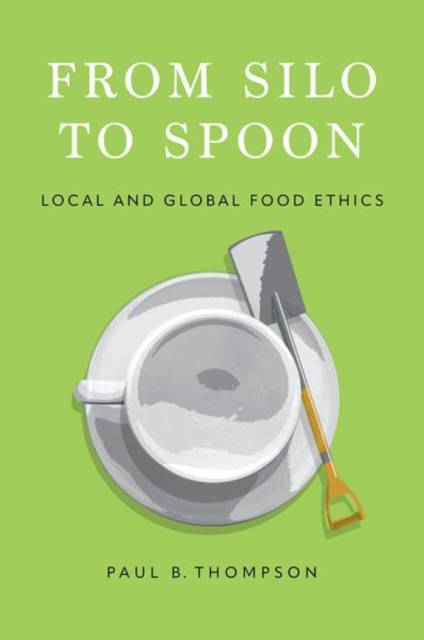
Following the pattern of From Field to Fork (OUP, 2015) Paul B. Thompson provides a highly readable and up-to-date analysis of contemporary ethical issues connected with food. Thompson reinterprets Peter Singer's work on famine relief in light of the history of funding development assistance through food aid, defends locavore diets against philosophical critics, and analyzes the ethics of food labeling in light of J.S. Mill's On Liberty. Further exploring today's key ethical questions about food, Thompson compares anthropological and toxicological approaches to pollution and defends a revised notion of agricultural sustainability. These topics provide an entry point for a novel approach in practical ethics that blends pragmatist philosophy of language, historical interpretation of agrarian thought, and recent philosophical writings on race and structural racism.
Specificaties
Betrokkenen
- Auteur(s):
- Uitgeverij:
Inhoud
- Aantal bladzijden:
- 312
- Taal:
- Engels
Eigenschappen
- Productcode (EAN):
- 9780197744734
- Verschijningsdatum:
- 2/11/2023
- Uitvoering:
- Paperback
- Formaat:
- Trade paperback (VS)
- Afmetingen:
- 163 mm x 226 mm
- Gewicht:
- 476 g


Alleen bij Standaard Boekhandel
+ 119 punten op je klantenkaart van Standaard Boekhandel
Cadeau

AANGERADEN


Beoordelingen
We publiceren alleen reviews die voldoen aan de voorwaarden voor reviews. Bekijk onze voorwaarden voor reviews.